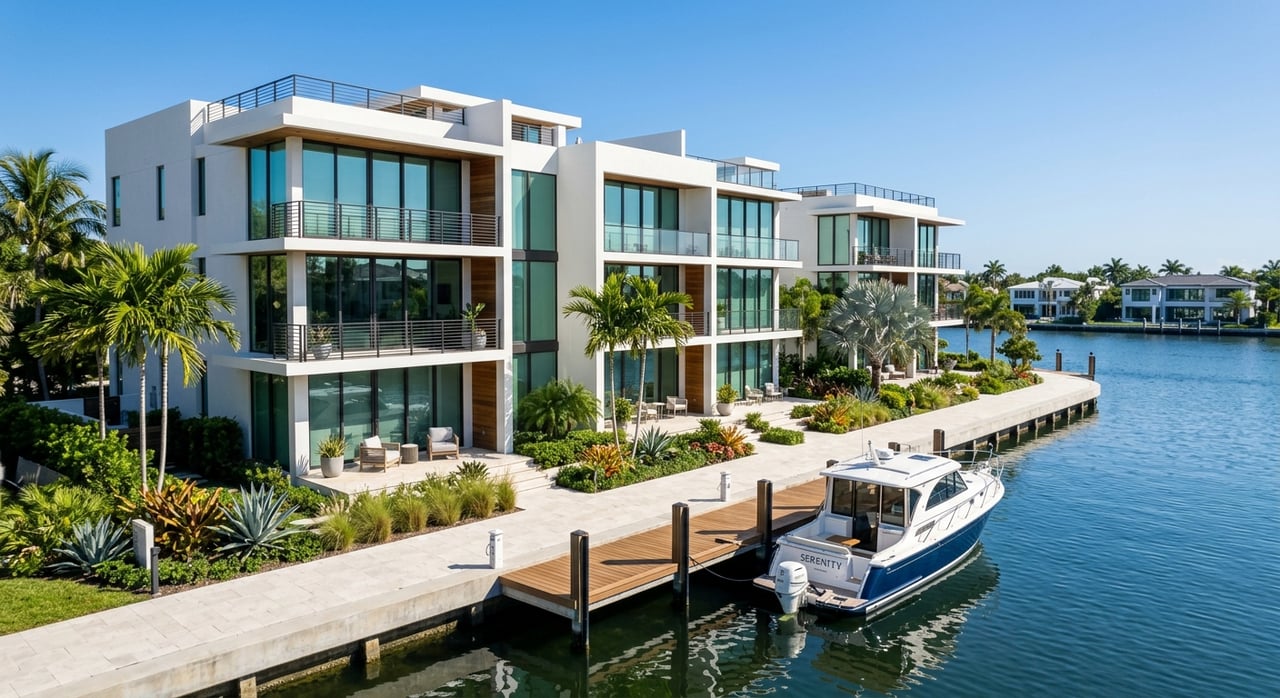
Are you drawn to Miami’s coastal energy but want a waterfront lifestyle that feels a little more residential and boating-oriented? Fort Lauderdale often stands out for buyers who want water access woven into daily life, along with strong dining, arts, and neighborhood appeal. If you are comparing South Florida options, this guide will help you understand what Fort Lauderdale waterfront living really offers and why it may be the right fit. Let’s dive in.
Why Fort Lauderdale Feels Different
Fort Lauderdale is shaped by water in a way few cities are. The city reports 165 miles of scenic inland waterways and about seven miles of shoreline, which helps explain why it is widely known as the “Venice of America.” That identity is not just marketing. It influences how people live, move, and spend their time.
For many Miami buyers, the biggest difference is pace and layout. Fort Lauderdale is less dense than Miami, with a 2024 Census estimate of 190,641 residents compared with 487,014 in Miami. Its population density is also much lower, which often translates to a more spread-out, neighborhood-driven feel.
Waterfront Living Is Part of Daily Life
In Fort Lauderdale, the waterfront is not only scenic. It is part of everyday mobility and recreation. The city’s public waterway system includes docking and boat-launch sites, and the free Water Trolley serves downtown stops along the New River daily.
That practical connection to the water is a major lifestyle point for buyers coming from Miami. In some parts of Fort Lauderdale, boating, dockage, and water access are not occasional perks. They are part of the rhythm of the city.
What Miami Buyers Usually Find
Fort Lauderdale waterfront inventory is often easiest to think about in three broad categories. While these are not official city classifications, they reflect how buyers typically experience the market.
Beach-Area Condos
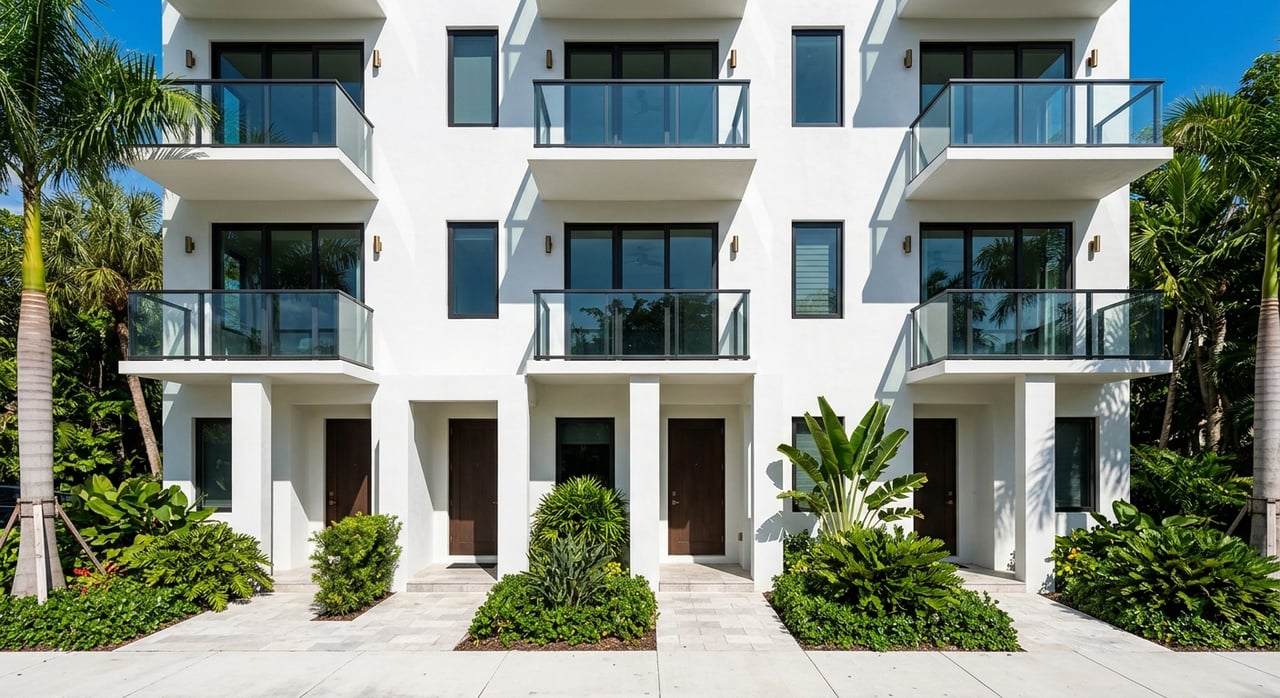
If you want a lower-maintenance option near the ocean, beach-area condos are often the starting point. These can appeal to second-home buyers, relocators, and anyone who wants easy access to the shoreline without taking on the upkeep of a detached waterfront home.
This category often suits buyers who value lock-and-leave convenience. It can also be a practical fit if your priority is being near the beach, dining, and cultural amenities rather than keeping a boat at home.
Downtown and Riverfront Condos
Downtown Fort Lauderdale and the New River area offer a different kind of waterfront experience. Here, you are closer to Riverwalk, Las Olas Boulevard, and some of the city’s best-known cultural anchors, including the Broward Center for the Performing Arts, the Museum of Discovery and Science, the Museum of Art, and Old Fort Lauderdale Village & Museum.
For buyers who want water views with a more connected urban setting, this can be a compelling middle ground. You still get waterfront character, but often with easier access to dining, arts, and downtown activity.
Canal and Intracoastal Homes
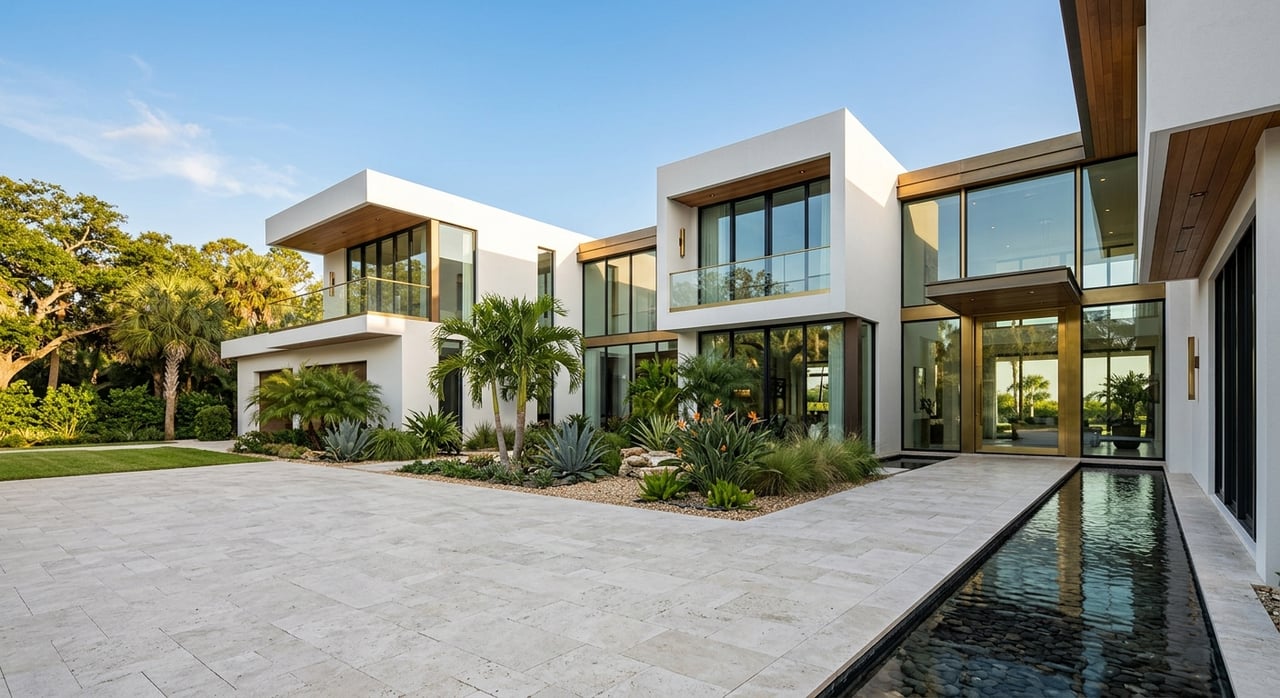
Detached homes on canals, bays, or intracoastal-adjacent streets are often where Fort Lauderdale’s boating lifestyle becomes most visible. Buyers who want direct boating access usually focus on canal frontage, dockage, and proximity to marinas.
This is one of the clearest differences from many Miami searches. In Fort Lauderdale, waterfront living is often more canal-based and neighborhood-based than tower-based.
Neighborhoods Buyers Often Explore
Several recognized Fort Lauderdale neighborhoods are frequently part of a waterfront home search. These include Las Olas Isles, Seven Isles, Nurmi Isles, Harbor Beach, Coral Ridge, Rio Vista, and Dolphin Isles.
Each area offers its own relationship to the water, whether that means canal frontage, proximity to the Intracoastal, or access to downtown and the beach. Rio Vista, for example, is described by the city as one of Fort Lauderdale’s oldest neighborhoods and sits on the south shore of the New River.
For Miami buyers, this neighborhood pattern can feel more intimate and residential. Instead of focusing mainly on tower choice, you may find yourself comparing water depth, dock setup, canal position, and how easily a property connects to the boating lifestyle you want.
Boating Culture Is a Major Draw
If boating matters to you, Fort Lauderdale deserves serious attention. The city’s waterways are home to the world’s largest in-water boat show, and the city highlights marinas, docking, and launching sites as core parts of its marine infrastructure.
That tells you something important about local culture. In Fort Lauderdale, boating is not a niche hobby reserved for a small slice of residents. It is a visible and established part of the city’s identity.
This can shape your home search in practical ways. A buyer who may have focused on views and building amenities in Miami might prioritize dock rights, canal access, and marina convenience more heavily in Fort Lauderdale.
Dining and Culture Stay Close to the Water
A move north does not mean giving up lifestyle. Greater Fort Lauderdale is known for waterfront dining around the ocean, the New River, canals, and inland waterways. The area’s dock-and-dine culture is part of what makes waterfront living here feel active rather than purely scenic.
Cultural access is also strong, especially around downtown. The Riverwalk area is described by the city as the cornerstone of its arts, science, cultural, and historic district, and Las Olas Boulevard remains a central destination for dining, fashion, and entertainment.
For many Miami buyers, this creates a useful balance. You can still enjoy restaurants, events, and arts access, but often in a setting that feels more compact and less intense than a high-density nightlife district.
How Fort Lauderdale Compares With Miami
The easiest comparison is scale. Miami and Miami Beach are denser and tend to feel more vertical, more urban, and more nightlife-forward. Fort Lauderdale, by contrast, emphasizes waterways, neighborhood-scale waterfront living, Riverwalk, and Las Olas.
That does not make one better than the other. It simply means the right choice depends on how you want to live. If you want a stronger boating orientation and a more residential pace while staying connected to dining and culture, Fort Lauderdale may be a better fit.
If your priority is a denser, more tower-centric, nightlife-heavy environment, you may still prefer Miami proper or Miami Beach. For many buyers, the decision comes down to whether you want the waterfront to be a backdrop or a daily way of life.
Due Diligence Matters More on the Water
Waterfront homes come with questions that deserve closer review. Fort Lauderdale states that the city is especially susceptible to flooding because it is surrounded by water, and it updated its seawall ordinance in 2023 to require minimum top elevations for seawalls and other tidal barriers.
That means waterfront due diligence should go beyond layout and finishes. You will want to understand how the property interacts with local water conditions and what that means for ownership over time.
Key Items to Review
- Dock rights
- Marina access
- Seawall condition
- Association rules, if applicable
- Flood insurance options
Flood insurance is especially important to understand. Standard homeowners policies generally do not cover flood damage, and flood insurance is a separate product through the National Flood Insurance Program framework. Fort Lauderdale also participates in the NFIP, which means flood insurance can be purchased even outside a Special Flood Hazard Area.
Why This Move Can Make Sense
For the right buyer, Fort Lauderdale offers a compelling shift in lifestyle without leaving South Florida’s coastal world behind. You may find more of a neighborhood feel, easier integration with boating, and a waterfront experience that extends beyond views into everyday living.
That combination can be especially appealing if you are relocating, purchasing a second home, or simply rethinking what you want from your next property. Instead of choosing between lifestyle and practicality, Fort Lauderdale often offers a blend of both.
If you are weighing Fort Lauderdale against Miami, the real question is not just where you want to buy. It is how you want to live on the water. For private guidance on waterfront condos, canal-front homes, relocation strategy, or a tailored South Florida search, connect with The Darin Feldman Group at Insignia International Properties.
FAQs
What makes Fort Lauderdale waterfront living different from Miami?
- Fort Lauderdale is generally less dense, more neighborhood-based, and more closely tied to canals, boating access, marinas, and day-to-day life on the water.
What types of waterfront homes do Miami buyers find in Fort Lauderdale?
- Buyers commonly explore beach-area condos, downtown or riverfront condos, and detached homes on canals, bays, or intracoastal-adjacent streets.
What Fort Lauderdale neighborhoods are often part of a waterfront home search?
- Buyers often look at Las Olas Isles, Seven Isles, Nurmi Isles, Harbor Beach, Coral Ridge, Rio Vista, and Dolphin Isles.
Why is boating such a big part of Fort Lauderdale real estate?
- The city has extensive waterways, public marine facilities, marinas, docking and launching sites, and a long-standing identity tied to the world’s largest in-water boat show.
What should buyers review before purchasing Fort Lauderdale waterfront property?
- Important items include dock rights, seawall condition, marina access, association rules, flooding considerations, and flood insurance options.
Is flood insurance relevant for Fort Lauderdale waterfront buyers?
- Yes. Standard homeowners insurance generally does not cover flood damage, and Fort Lauderdale notes that flood insurance can be purchased through the NFIP framework, even outside a Special Flood Hazard Area.