Wondering what separates a large luxury home from a true Golden Beach estate? In a market where many waterfront properties carry prestige, Golden Beach stands apart because the town itself is built around scarcity, privacy, and a tightly protected residential character. If you are buying, selling, or simply evaluating long-term value in this unique part of Miami-Dade County, it helps to know what really defines estate-level real estate here. Let’s dive in.
Golden Beach Starts With Scarcity
Golden Beach is not a typical beachside community with shops, towers, and mixed-use development woven into daily life. The Town describes itself as a 1.8-square-mile oceanfront community with 364 single-family homes, a 1.125-mile private beach, and nine parks.
That matters because the town charter protects Golden Beach from commercial activity and forbids high-rise condominiums. In simple terms, the community’s identity is rooted in low density, single-family living, and limited supply.
For buyers, that creates a very different value proposition than nearby luxury markets. For sellers, it helps explain why Golden Beach is often judged not just by the home itself, but by how well a property fits the town’s carefully preserved estate setting.
Estate Status Begins With the Lot
In Golden Beach, estate quality starts with the site. A true estate is usually tied to the town’s strongest physical asset, which is its direct relationship to the water.
Water Orientation Matters Most
The town’s zoning code specifically identifies Zone One as oceanfront properties. The Town also notes that most homes are located either directly on the Atlantic Ocean or along the Intracoastal Waterway and its canals.
That means a true Golden Beach estate is often defined by oceanfront placement or strong water orientation. In this market, the connection to water is not just a luxury feature. It is part of the foundation of the property’s identity.
Frontage Helps Define Scale
Not every luxury lot functions like an estate lot. In practical terms, the best sites usually have the width and depth to support a substantial residence, outdoor living areas, a pool, garage space, and landscape buffering without feeling overbuilt.
Golden Beach’s code shows why frontage matters. Lots with less than 100 feet of frontage require at least a one-car garage, while lots with 100 feet or more require at least a two-car garage. Several design rules also become tighter on narrower lots, especially under 64 feet or 75 feet wide.
This is why estate-caliber in Golden Beach is not just about square footage. It is also about whether the lot proportions allow the home to feel balanced, comfortable, and appropriately scaled.
Waterfront Utility Adds Another Layer
Some waterside lots in Zones Two and Three may include boat slips when the frontage is at least 100 feet. Those slips are regulated and must remain modest, with no enclosures or canopies.
For the right buyer, that kind of water access can strengthen a property’s estate appeal. It adds utility while still fitting within the town’s controlled residential environment.
Privacy in Golden Beach Looks Different
Privacy is a major part of estate living, but in Golden Beach it is handled with restraint. The town does not encourage fortress-style enclosure.
Layered Screening Works Better Than Massive Walls
In Zone One, fence heights vary based on distance from the ocean, and the oceanfront property line is capped at two feet. In Zones Two and Three, fences between lots are generally capped at six feet, while street-line fences are capped at four feet and must be visually softened with landscaping.
The code also allows live hedges in place of walls or fences in most zones, subject to the same height limits. The result is a privacy model built around landscaping, screening, and thoughtful site planning rather than oversized barriers.
For estate buyers, that means true privacy often comes from mature planting, strategic placement, and a well-planned approach to the lot. For sellers, these elements can meaningfully shape first impressions and perceived quality.
Architecture Must Work With the Town
Golden Beach luxury is not defined by visual excess. The town’s rules push homes toward a more curated, cohesive appearance.
Design Controls Support a Refined Look
The zoning code regulates exterior paint through an approved palette. It also requires outdoor lighting to avoid glare and light trespass, and it limits rooftop mechanical equipment through screening and setback requirements.
These controls help preserve a polished residential environment. In practice, they reward homes that feel intentional and composed rather than overly showy.
Outdoor Living Is Part of Estate Appeal
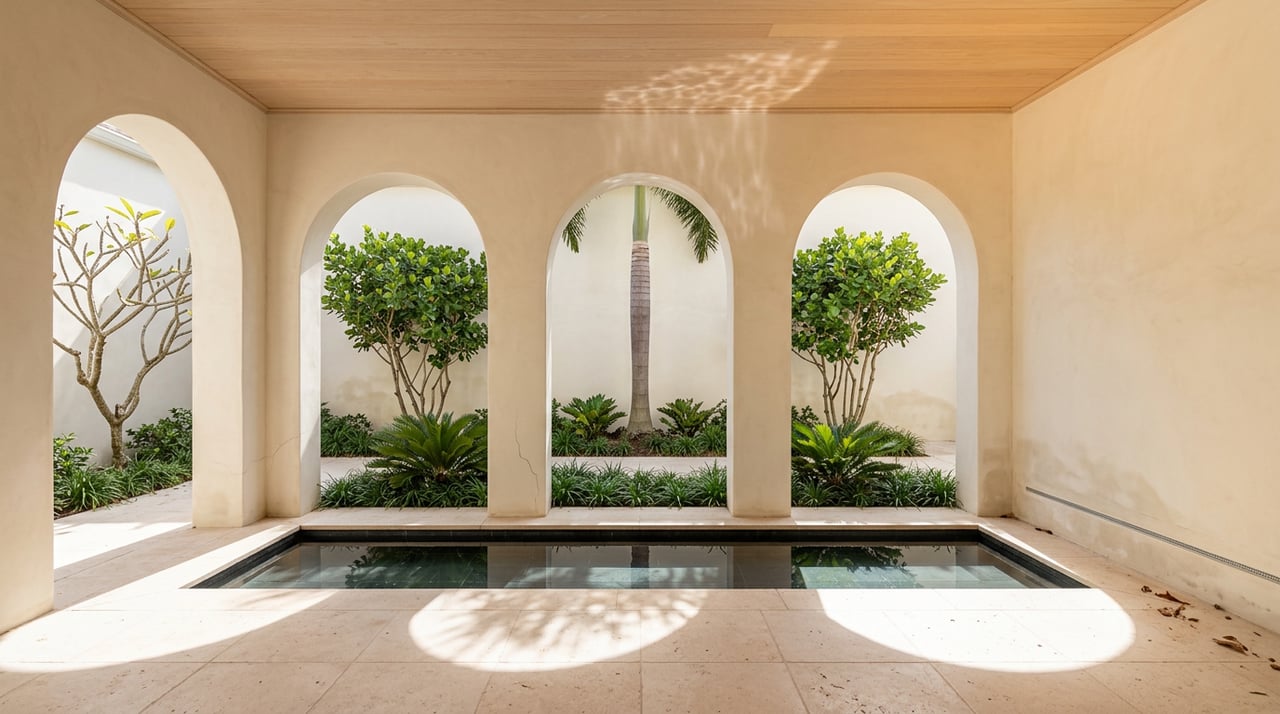
A true Golden Beach estate is not only about the interior. Outdoor living carries real weight here, especially in a coastal setting where daily life naturally extends beyond the walls of the home.
The code contemplates pools, cabanas, gazebos, pergolas, terraces, and certain accessory buildings, all under specific dimensional and screening rules. In Zone One, the roof of the highest roofed structure may also be used for passive leisure uses if the lot is at least 7,500 square feet and other setback requirements are met.
That means estate value often comes from how well the property integrates indoor and outdoor living. A home that uses its lot efficiently while staying compliant can feel substantially more complete.
Arrival and Parking Shape the Experience
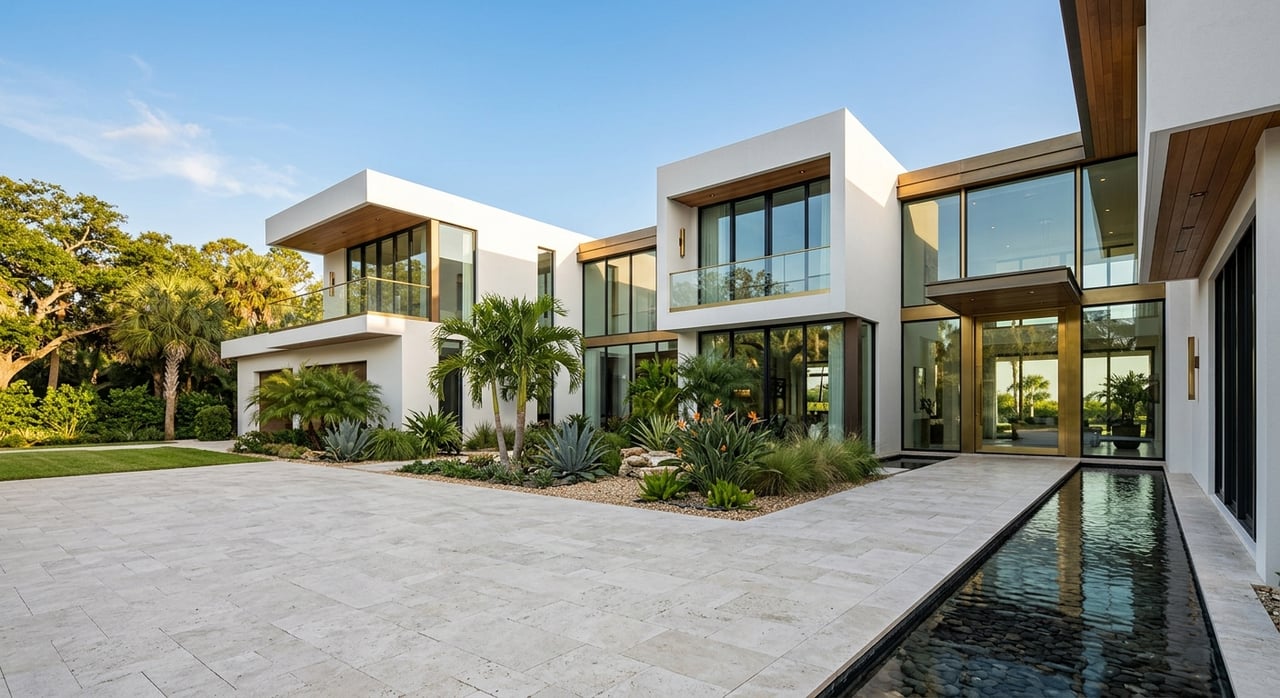
Street presence matters in this market. Golden Beach requires garages, prohibits carports, and sets controlled standards for straight and circular driveway widths.
Those details reinforce a more formal estate-style arrival. When buyers evaluate a property, the approach from the street can be just as important as the backyard or water frontage.
Landscaping Is Not an Afterthought
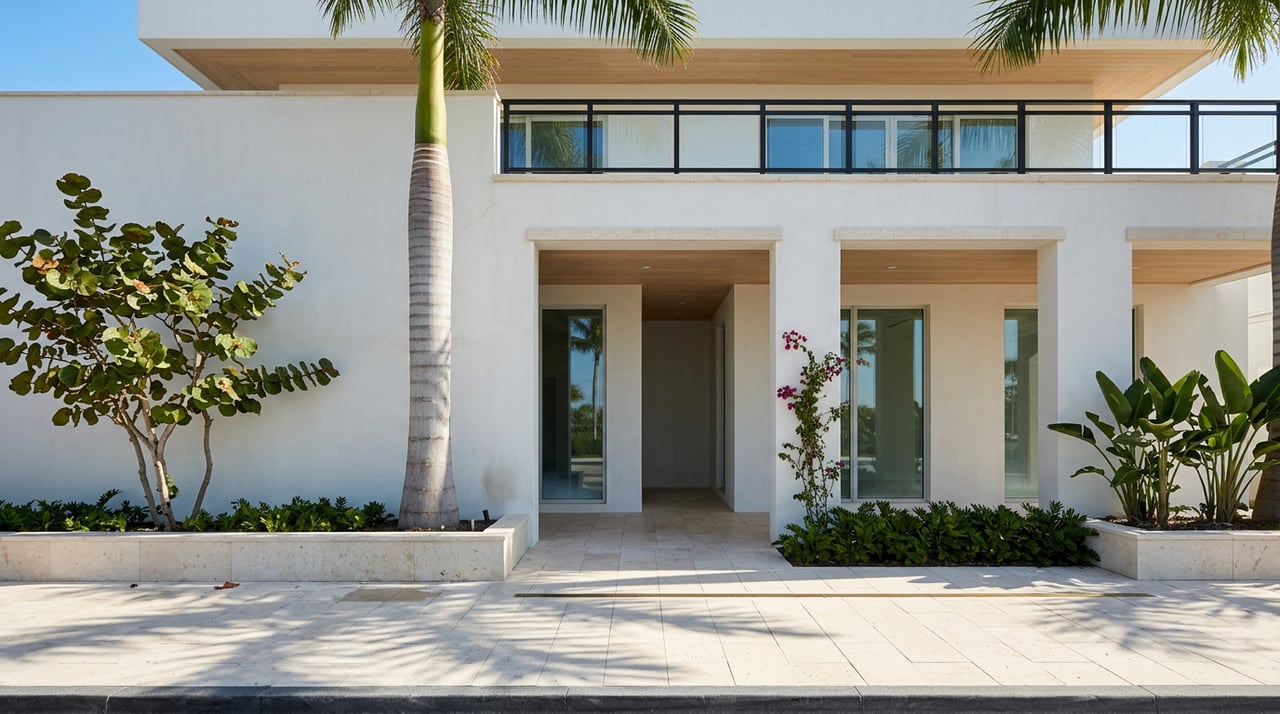
In Golden Beach, landscaping is part of the real estate itself. It helps define privacy, curb appeal, and the sense of permanence buyers often expect from a top-tier property.
The town requires single-family home sites in Zones One, Two, and Three to provide at least one tree per 2,500 square feet of lot area, along with street-tree and swale requirements. This helps explain why mature planting and a well-finished frontage carry so much visual and practical value.
A true estate typically feels settled into the site. Strong landscaping can soften boundaries, improve privacy, and create the composed, residential look that aligns with Golden Beach’s character.
The Town’s Rules Support Long-Term Desirability
One of the most important things defining a true Golden Beach estate is something you cannot always see in a listing photo. It is the regulatory structure around the property.
Single-Family-Only Character Protects Identity
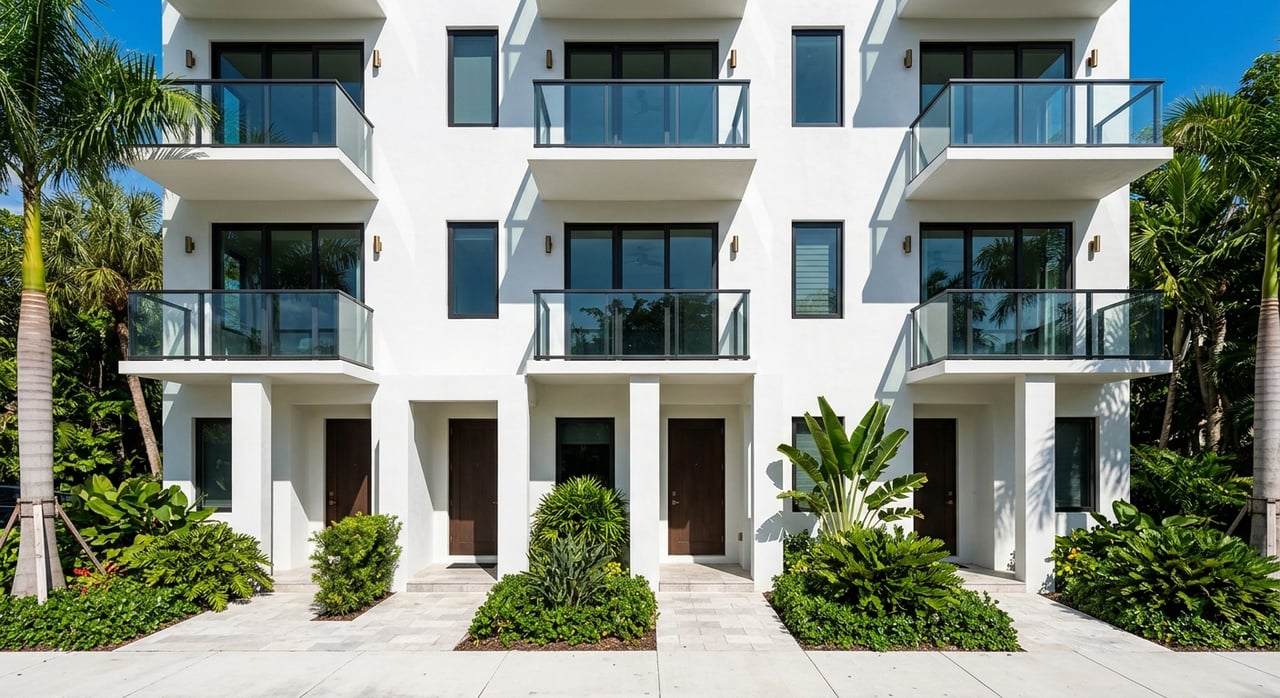
Golden Beach’s zoning limits land use to single-family residential and related town or nonprofit uses. The code allows only single-family residences, private garages, servants' quarters, and appurtenant cabanas, and it prohibits more than one single-family residence per residential lot.
That level of use control is a major reason the town feels distinct. It helps preserve the low-density residential character that many luxury buyers are specifically seeking.
Minimum Lease Terms Reduce Turnover Pressure
The code also prohibits transient use of residential dwellings for less than six consecutive months. That means the town is not structured around short-term occupancy patterns.
For many buyers and owners, that supports a stronger sense of consistency and stability. It also reinforces the idea that Golden Beach is designed as a residential enclave, not a high-churn vacation rental market.
What Buyers and Sellers Should Look For
If you want to understand whether a property is a true Golden Beach estate, focus on more than size and finishes. The strongest properties tend to combine several qualities at once.
Core Estate Traits in Golden Beach
- Direct oceanfront or strong water orientation
- Sufficient frontage and lot depth for balanced design
- Privacy created through landscaping and site planning
- Thoughtful outdoor living features such as pools, terraces, or cabanas
- Compliant garage and driveway design with a formal arrival feel
- Mature landscaping that enhances screening and curb appeal
- Architecture that fits the town’s tightly controlled residential environment
When these pieces come together, the property reads as more than a luxury home. It becomes a better fit for what Golden Beach actually is.
Why This Matters in a High-End Transaction
In many luxury markets, bigger is often treated as better. In Golden Beach, however, the highest-quality properties are usually the ones that pair scale with regulatory fit, land efficiency, privacy, and a strong relationship to the water.
That is important whether you are buying or selling. Buyers need to understand what drives lasting appeal, and sellers benefit when their property is positioned around the traits that truly matter in this town.
If you are considering a purchase, sale, valuation, or relocation move involving Golden Beach, working with a team that understands how luxury positioning intersects with local property constraints can make a meaningful difference. For discreet, founder-led guidance, request a private market consultation with The Darin Feldman Group at Insignia International Properties.
FAQs
What makes a Golden Beach home a true estate?
- A true Golden Beach estate typically combines water orientation, strong lot frontage and depth, privacy screening, mature landscaping, outdoor living infrastructure, and design that fits the town’s single-family residential character.
Are all luxury homes in Golden Beach considered estates?
- Not necessarily. In Golden Beach, estate quality is shaped not only by the home’s size and finishes, but also by lot proportions, privacy planning, outdoor layout, and overall fit within the town’s zoning and design framework.
Why is Golden Beach different from other luxury waterfront markets?
- Golden Beach is defined by a tightly limited supply of 364 single-family homes, a private beach, no commercial activity, and no high-rise condominiums, which gives it a distinct low-density residential identity.
Can Golden Beach properties be used for short-term rentals?
- No. The town code prohibits transient use of residential dwellings for periods of less than six consecutive months.
Why does lot frontage matter for a Golden Beach estate?
- Frontage affects how comfortably a property can accommodate the house, garage, outdoor spaces, and landscaping, and the code also applies different garage and design requirements depending on lot width.
How does landscaping affect Golden Beach estate value?
- Landscaping plays an important role in privacy, curb appeal, and overall estate presentation, and the town also requires tree and streetscape elements that contribute to the community’s polished residential look.