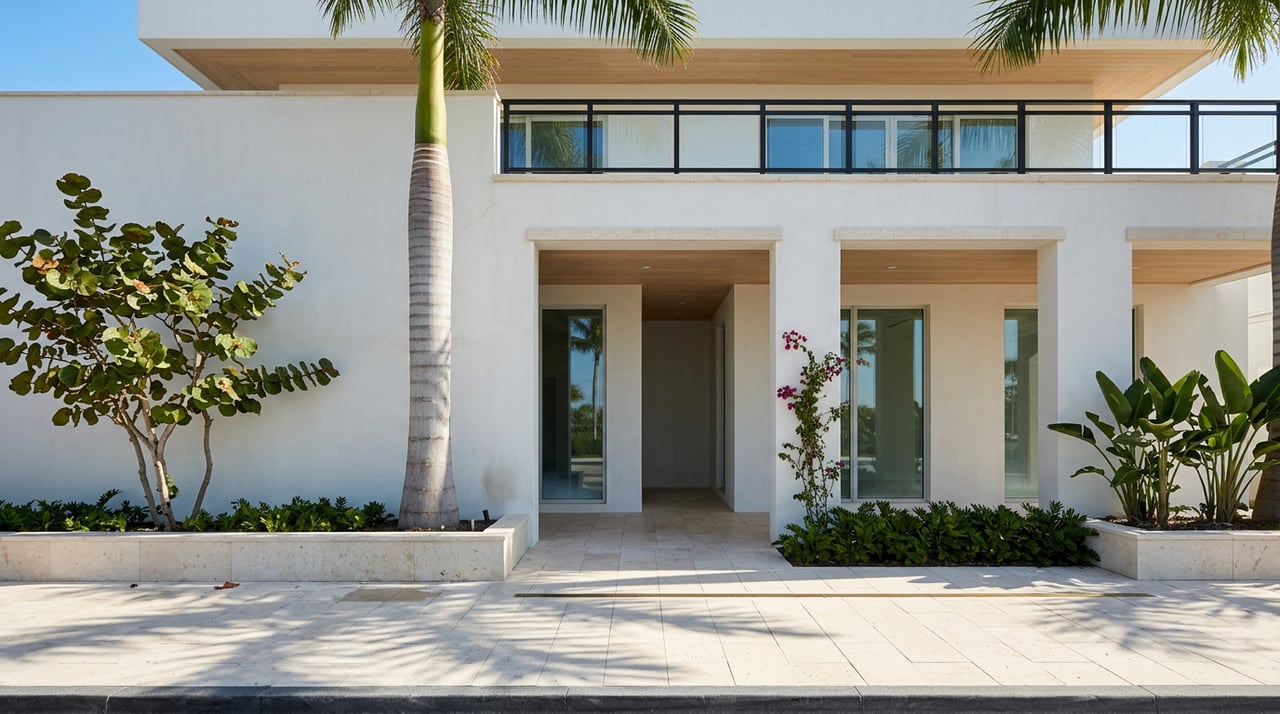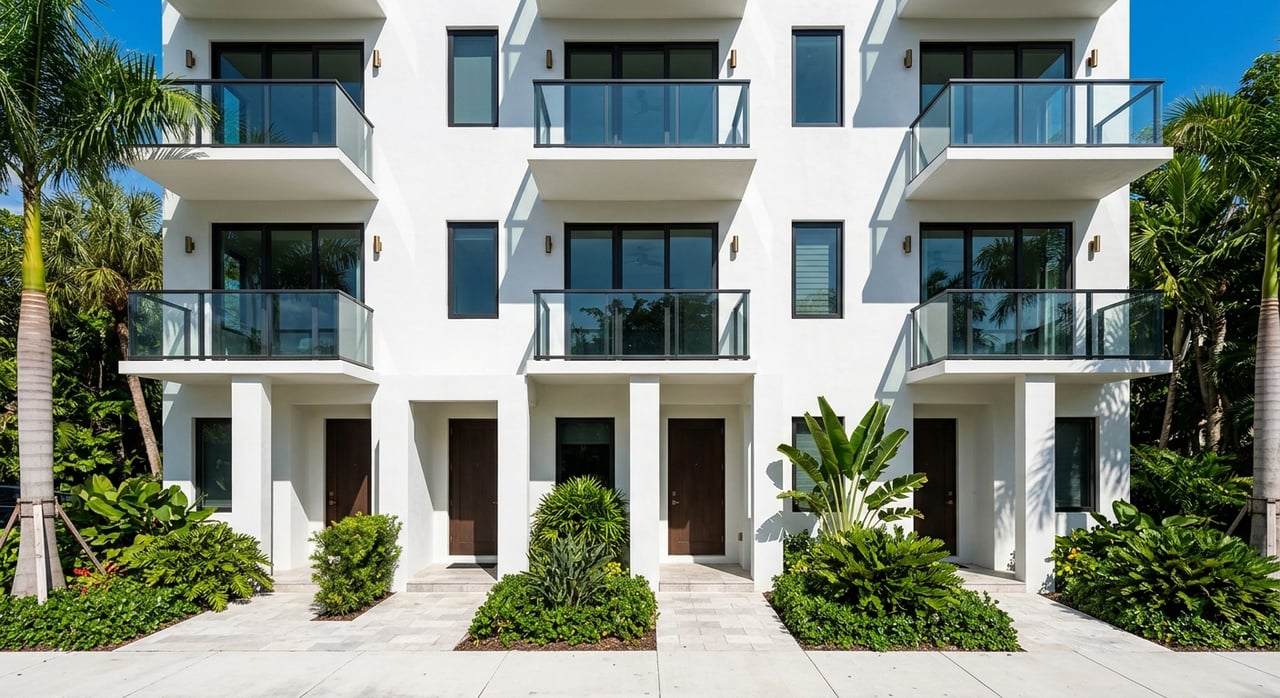
Relocating to Miami often starts with one big question: should you buy a condo or a house in Coconut Grove? If you are drawn to the Grove’s tree canopy, bay access, and village-style streets, the answer depends less on price alone and more on how you want to live day to day. This guide will help you compare condos, townhomes, and detached homes in Coconut Grove so you can make a move that fits your routine, priorities, and long-term plans. Let’s dive in.
Why Coconut Grove Feels Different
Coconut Grove is Miami’s oldest neighborhood, but it does not feel like one single place. Its commercial core is centered around Grand Avenue, Main Highway, Commodore Plaza, McFarlane Road, and nearby streets, where the area is most dense and walkable.
At the same time, the Grove includes quieter residential pockets, historic areas, and waterfront stretches near the bay. City planning materials note distinct unofficial neighborhoods within Coconut Grove, and local preservation efforts are aimed at protecting tree canopy, affordability, and historic heritage.
For relocating buyers, that mix matters. You are not just choosing between a condo and a house. You are also choosing between village-core convenience, bayfront access, or a more tucked-away residential setting.
Condos in Coconut Grove
Condos are often the easiest entry point for buyers who want a low-maintenance lifestyle in the Grove. They tend to work well if you value walkability, building amenities, and the ability to lock the door and leave without worrying much about exterior upkeep.
In Coconut Grove, condo living usually puts you closer to the village core. That can mean easier access to restaurants, shops, CocoWalk, parks, and structured parking around the central commercial streets.
Best fit for condo buyers
A condo may be the right match if you want:
- A shorter walk to the heart of the Grove
- Less responsibility for exterior maintenance
- Amenity-focused living
- A home that suits frequent travel or part-time use
- A more car-light daily routine
That last point matters in Coconut Grove. The City of Miami trolley serves the neighborhood, and the Coconut Grove BID supplements mobility with parking resources and an on-demand electric shuttle that connects village destinations, parks, the waterfront, CocoWalk, the Grove Metrorail Station, and Miami Parking Authority lots.
What condo buyers should watch closely
The tradeoff with a condo is shared decision-making. Your ownership experience is tied to the association’s budget, maintenance planning, rules, and building condition.
In Florida, condo laws now require milestone inspections for qualifying buildings at 30 years, or earlier in certain local conditions such as proximity to salt water, where a 25-year deadline may apply. The law also requires structural integrity reserve studies at least every 10 years, and sale contracts must disclose whether the required inspection or study has been completed.
For relocating buyers, this means condo due diligence is especially important. You will want a clear picture of the association’s financial health, maintenance history, and compliance status before you commit.
Townhomes as a Middle Ground
Townhomes often give you a practical compromise between a condo and a detached home. They usually feel more private and home-like than a tower condo, while still keeping exterior upkeep lower than what you would take on with a standalone house.
In Coconut Grove, that balance can be appealing if you want to stay close to the village without taking on the full burden of maintaining a yard, roof, pool, or larger lot. For many relocating buyers, that makes townhomes worth serious consideration.
Best fit for townhome buyers
A townhome may make sense if you want:
- More privacy than a condo
- Less upkeep than a detached home
- A layout that feels more like a house
- Proximity to the Grove’s core without living directly above retail activity
Townhomes are not a one-size-fits-all category, but they often appeal to buyers who want convenience without giving up too much personal space.
Detached Homes in Coconut Grove
Detached homes are usually the strongest fit if you want privacy, outdoor space, and long-term control over your property. In Coconut Grove, houses are often found on quieter interior streets, leafy residential pockets, and select historic areas rather than on the busiest village blocks.
If your move to Miami includes plans for a yard, a pool, more room for pets, or simply more separation from neighbors, a detached home may feel like the natural fit. You also have fewer shared-wall and association-style constraints compared with many condo buildings.
Best fit for house buyers
A detached home may be your best option if you want:
- More privacy
- Outdoor space for entertaining or pets
- Greater control over the property
- A quieter residential setting
- A longer-term lifestyle base in the Grove
That said, more control can also mean more responsibility. Exterior maintenance, landscaping, roofing, and general upkeep fall more directly on you.
Historic and conservation factors
In Coconut Grove, some homes may also be affected by historic-preservation or neighborhood conservation rules. The city’s historic program covers Coconut Grove West and the Charles Avenue area, and the NCD program is intended to preserve the neighborhood’s physical and social character.
That does not mean owning a home is complicated by default. It does mean that if you are considering renovations or major changes, you should understand whether the property sits in an area with added review requirements.
Village Core Versus Residential Streets
One of the most useful ways to compare Coconut Grove homes is by location type, not just property type. A condo in the village core offers a very different daily experience from a detached home on a shaded interior street.
The densest and most walkable parts of the neighborhood cluster around Grand Avenue, Main Highway, Commodore Plaza, McFarlane Road, Mary Street, and nearby corridors. Parking garages and lots are also concentrated around these areas, which helps support a more walkable lifestyle.
If you want to step out for coffee, dinner, errands, or parks with minimal planning, central Coconut Grove can be a strong match. If you prefer a quieter pace and more separation from retail activity, a home or townhome farther from the core may feel more comfortable.
Bayfront and Boating Considerations
For some relocating buyers, the real question is not condo versus house. It is how close you want to be to the water. In Coconut Grove, Dinner Key is the key boating reference point.
The City of Miami says Dinner Key Marina offers 587 wet slips and more than 250 moorings, along with parking, a dinghy dock, shuttle service, and pump-out service. The city’s waterfront system also includes Peacock Park, Kennedy Park, Seminole Dock, and a public boat ramp.
Who should prioritize the waterfront
You may want to focus on bayfront or nearby locations if you value:
- Frequent boating access
- Marina proximity
- Waterfront parks and recreation
- Views and a stronger connection to Biscayne Bay
In practical terms, the most boating-oriented locations are around the bayfront and along the South Bayshore Drive or Pan American Drive edge of the neighborhood. That can apply whether you are shopping for a condo or a house.
How Daily Life Changes by Property Type
When you relocate, the best purchase is usually the one that fits your routine, not just your wishlist. In Coconut Grove, each option supports a different version of daily life.
| Property Type | Often Best For | Main Tradeoff |
|---|---|---|
| Condo | Frequent travelers, part-time residents, buyers who want walkability and amenities | More reliance on association budgets, rules, and building management |
| Townhome | Buyers who want a middle ground between privacy and convenience | Less autonomy than a detached home, fewer amenities than some condos |
| Detached Home | Buyers who want privacy, outdoor space, and long-term control | More maintenance responsibility and possible review constraints in some areas |
This is why relocation planning matters so much. The right choice depends on whether you picture yourself walking to the village, spending weekends on the water, or settling into a more private residential pocket.
Questions to Ask Before You Decide
Before choosing a condo or a home in Coconut Grove, it helps to narrow the decision with a few practical questions:
- How often do you travel?
- Do you want to walk to the village regularly?
- How important is private outdoor space?
- Are you comfortable relying on an association?
- Would you rather manage your own property decisions?
- Is boating or waterfront access a major priority?
- Do you want a quieter street or a more connected location?
Your answers can quickly point you in the right direction. Many relocating buyers find that lifestyle fit becomes clearer once they compare how they want a typical weekday and weekend to feel.
Choosing the Right Coconut Grove Move
Coconut Grove works because it offers more than one lifestyle. You can live near the village core for walkability and convenience, near the bay for boating access, or on shaded residential streets for more privacy and space.
Condos tend to serve buyers who want ease, access, and lower exterior maintenance. Detached homes usually suit buyers who want more control, more outdoor space, and a quieter setting. Townhomes often land in the middle for buyers who want both convenience and a more residential feel.
If you are relocating to Miami and weighing Coconut Grove condos versus homes, local guidance can save you time and help you focus on the areas and property types that truly fit your goals. For private, concierge-level help with your move, connect with The Darin Feldman Group at Insignia International Properties.
FAQs
Should relocating buyers choose a condo in Coconut Grove for walkability?
- A condo is often a strong choice if you want easier access to the village core around Grand Avenue, Main Highway, Commodore Plaza, and McFarlane Road, where Coconut Grove is most dense and walkable.
Are detached homes in Coconut Grove better for privacy and outdoor space?
- Detached homes usually offer more privacy, more outdoor space, and greater long-term control, especially on quieter interior residential streets.
What should condo buyers review in Coconut Grove before closing?
- You should closely review the association’s budget, maintenance planning, rules, and whether required milestone inspections and structural integrity reserve studies have been completed and disclosed.
Is Coconut Grove a good Miami neighborhood for boating?
- Coconut Grove is one of Miami’s key boating neighborhoods because Dinner Key Marina, waterfront parks, Seminole Dock, and a public boat ramp are part of its bayfront system.
Do townhomes in Coconut Grove offer a middle option for relocating buyers?
- Yes, townhomes often appeal to buyers who want more privacy and a more home-like feel than a condo, while avoiding the full maintenance load of a detached house.
How can relocating buyers compare village-core and residential-pocket living in Coconut Grove?
- Village-core living usually favors walkability and quick access to shops, dining, and parking resources, while residential pockets tend to offer a quieter setting with more separation from the busiest commercial streets.