Wondering whether a home or a condo makes more sense on the Venetian Islands? You are not alone. This stretch between Miami and Miami Beach offers a rare mix of waterfront houses and upscale condominium living, but the ownership experience can be very different depending on what you buy. If you are weighing privacy, convenience, maintenance, and long-term planning, this guide will help you understand the tradeoffs and choose with more confidence. Let’s dive in.
Why the Venetian Islands feel unique
The Venetian Islands are not just another waterfront address. They sit along the Venetian Causeway, a corridor that has connected Miami and Miami Beach since 1927 and still plays a major role in daily access, commuting, and neighborhood identity.
That access story is especially important right now. Miami-Dade is replacing 11 bridges along the causeway, with the final design phase expected to be completed in summer 2026, and the new bridges are being designed to improve safety and resilience against sea-level rise. For you as a buyer, that means infrastructure is part of the ownership conversation, not just a background detail.
There are also practical causeway rules to keep in mind. Miami-Dade offers a commuter plan for residents or employees on the Venetian Islands, and posted weight limits apply on the causeway, which can matter if your household relies on contractors, larger vehicles, or frequent deliveries.
The islands also do not operate as one single ownership community. The Venetian Islands Homeowners Association represents homeowners on Rivo Alto, Di Lido, and San Marino, while Belle Isle has its own residents association. Miami Beach also completed residential road resurfacing on Di Lido, Rivo Alto, and San Marino in 2024, which reflects ongoing local infrastructure upkeep.
Venetian Islands homes explained
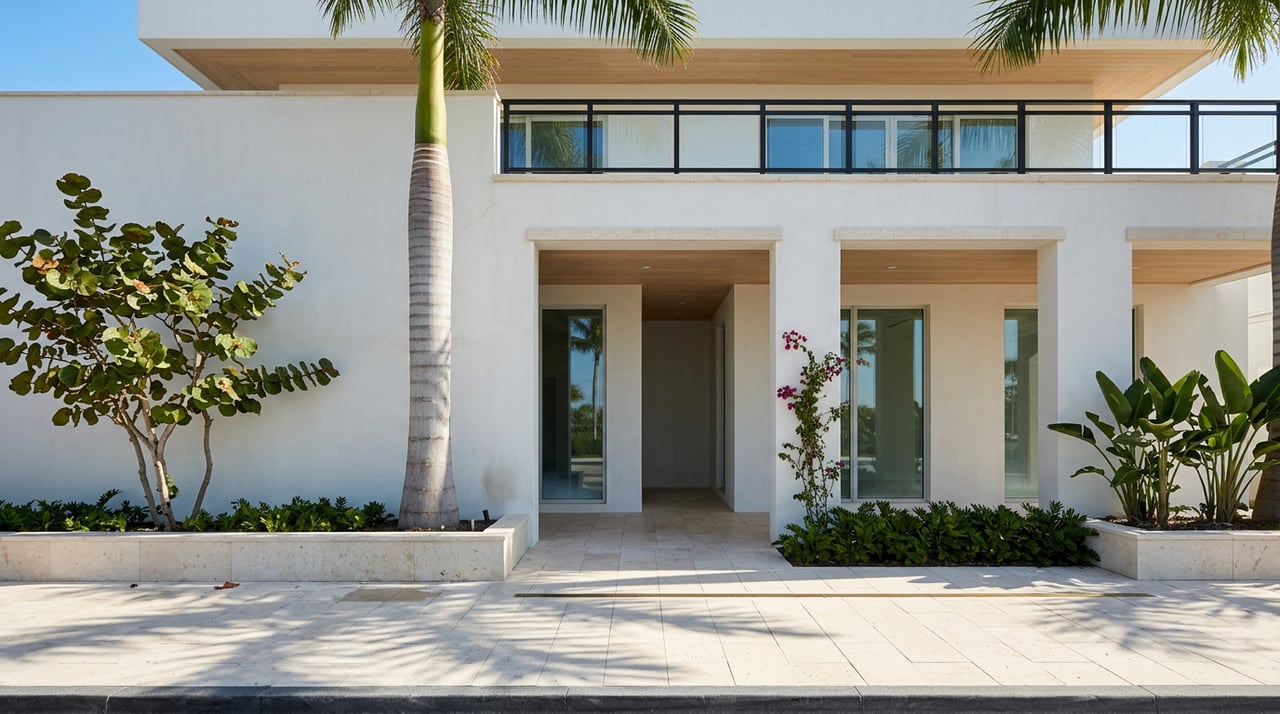
Single-family homes on the Venetian Islands typically appeal to buyers who want the most control over their property. If you want privacy, outdoor space, and the flexibility to manage your home and site-specific features more directly, a house often provides that experience better than a condo.
That added control comes with added responsibility. Miami Beach specifically treats docks, pilings, piers, seawalls, and boats secured to those structures as marine-code maintenance items, and the city states that it provides information and incentives to private property owners to raise or replace seawalls.
In practical terms, that means waterfront homeownership here can be more hands-on than many buyers expect. You are not just maintaining the residence itself. You may also be thinking about landscaping, shoreline resilience, marine structures, and the long-term condition of your waterfront improvements.
What a house usually offers
A single-family home on the Venetian Islands often makes sense if your priorities include:
- More privacy
- Private outdoor living space
- Greater control over the property
- A more independent ownership experience
- Direct use of waterfront features when present
For many buyers, that control is the main advantage. You are making more of the decisions yourself rather than sharing them through a building association.
What to consider before buying a house
That independence also means costs and planning are less shared. Repairs, exterior upkeep, marine maintenance, and resilience improvements can vary widely from property to property.
If you are comparing homes, it helps to look beyond the finish level and view. You should also evaluate site conditions, waterfront elements, and the likely maintenance profile over time.
Venetian Islands condos explained
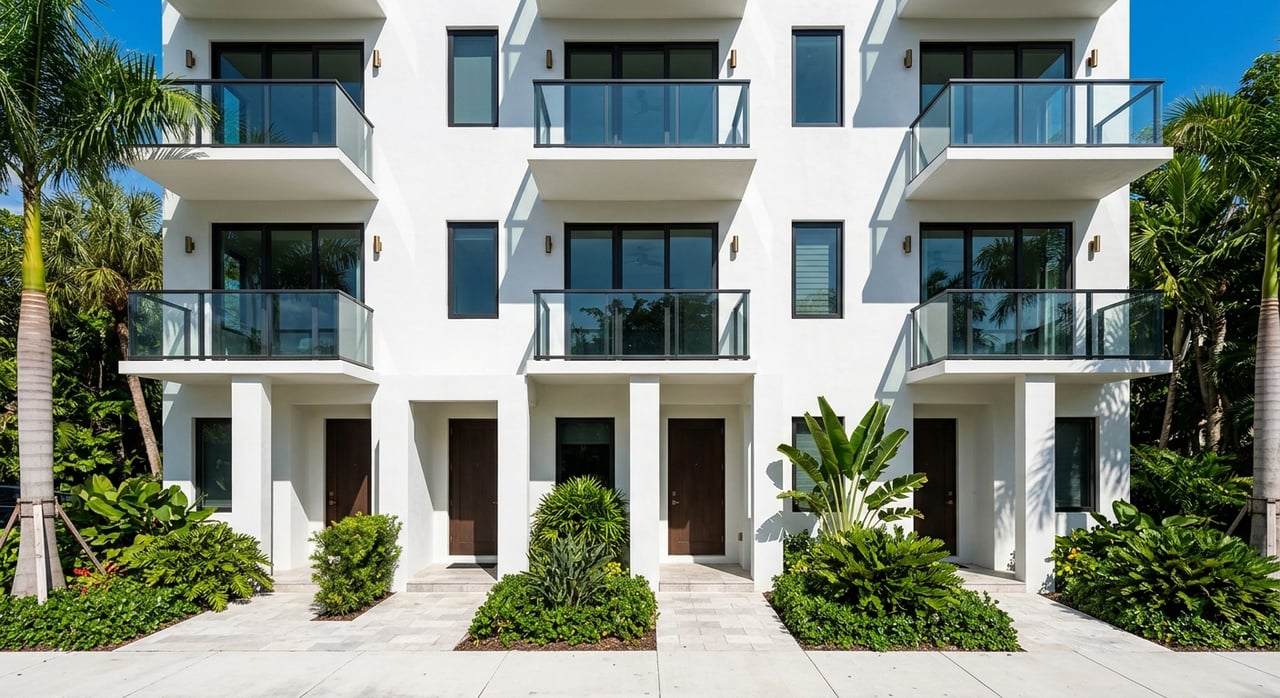
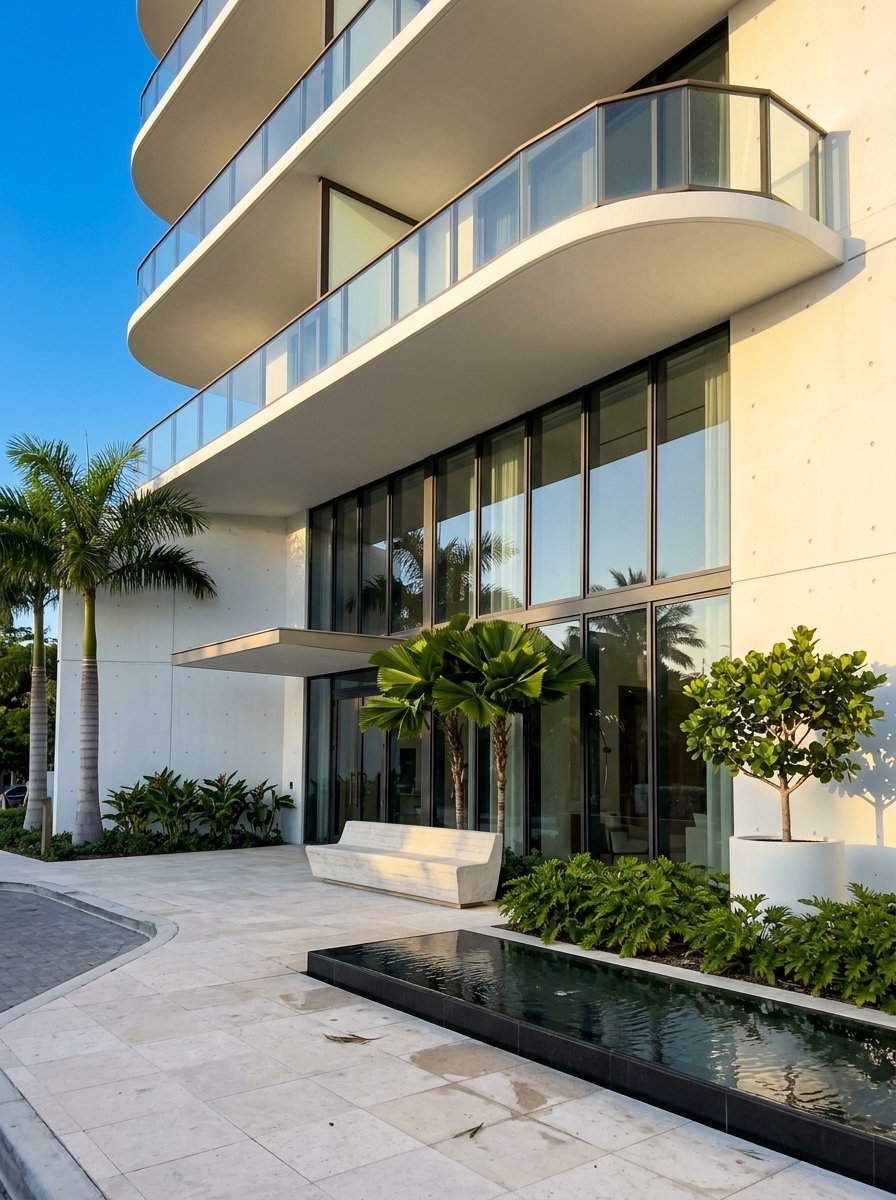
Condos on the Venetian Islands offer a different kind of ownership structure. Under Florida’s Condominium Act, a condominium includes individually owned units plus an undivided share in the common elements, with an association responsible for operating and maintaining shared property.
For you, that usually translates into a more lock-and-leave lifestyle. Exterior maintenance is more centralized, amenities may be shared, and the day-to-day experience can feel simpler than owning a waterfront house.
That convenience has tradeoffs. Condo ownership also means monthly fees, association rules, and less direct control over common areas and building-wide decisions.
What a condo usually offers
A condo is often a strong fit if you value:
- Easier day-to-day maintenance
- Shared amenities
- A more convenient ownership model
- A residence that may be easier to leave seasonally
- Building-managed common areas
For seasonal residents, downsizers, and some buyers who want a streamlined lifestyle, those features can be especially appealing.
What to review before buying a condo
Condo due diligence in Florida is more document-heavy than many buyers realize. Developers of residential condominiums with more than 20 units must provide a prospectus or offering circular, which gives buyers formal disclosures about the offering.
There are also inspection and reserve issues that matter, especially in coastal areas like Miami Beach. Owners of condo buildings that are three habitable stories or more must have milestone inspections at 30 years of age and every 10 years after that, and local enforcement agencies may require inspections at 25 years in salt-water environments.
Florida law also requires many older associations to complete a structural integrity reserve study. In some transactions, current sale contracts may need to include copies or summaries of milestone inspection and reserve study documents when they apply.
Because of that, your condo questions should go beyond the unit itself. Views and finishes matter, but so do reserve strength, potential assessment risk, and the building’s inspection timeline.
Homes vs condos on the Venetian Islands
At a high level, the difference is simple. Venetian Islands homes usually trade more responsibility for more control, while Venetian Islands condos usually trade more control for more convenience.
Here is a practical side-by-side comparison:
| Ownership type | Typical strengths | Typical tradeoffs |
|---|---|---|
| Single-family home | Privacy, outdoor space, direct control, more independent use of the property | More maintenance responsibility, marine structure upkeep, shoreline planning, variable costs |
| Condo | Convenience, shared maintenance, amenities, easier lock-and-leave living | Monthly fees, association rules, less control over common elements, more document review |
This does not mean one option is better than the other. It means the best fit depends on how you want to live and how much hands-on ownership you want.
Which option may fit your lifestyle
If you picture yourself enjoying private outdoor areas, making site-specific decisions, and taking a more direct role in maintaining a waterfront property, a house may align better with your goals. That can be especially appealing if you want a more private, house-like living experience.
If you prefer a more streamlined setup with shared maintenance and a simpler day-to-day ownership model, a condo may be the better fit. That option often works well for buyers who split time between residences or want fewer exterior responsibilities.
Questions to ask yourself
Before you decide, think through a few key questions:
- Do you want maximum control over the property, or more convenience?
- Are you comfortable managing waterfront and exterior maintenance directly?
- Will you live here full-time, seasonally, or as part of a multi-home lifestyle?
- How important are building amenities and shared services?
- Are you prepared to review condo documents carefully if you buy in a condominium building?
- Will causeway access, delivery logistics, or contractor access affect your daily use?
These questions can help narrow your search quickly. On the Venetian Islands, the lifestyle difference between a house and a condo is often just as important as the price point or view.
Why ownership mechanics matter here
On many waterfront markets, buyers focus first on design, view corridors, and amenities. On the Venetian Islands, those factors still matter, but they should sit alongside a clear understanding of infrastructure and ownership mechanics.
The causeway improvement work, posted weight limits, marine-code responsibilities, seawall considerations, condo inspections, and reserve requirements all shape what ownership looks like in real life. A smart purchase here is not just about finding a beautiful property. It is about finding the right match between the asset and your lifestyle.
If you are exploring Venetian Islands real estate, the strongest approach is to compare homes and condos through both lenses: how you want to live, and what you want to manage. That clarity can save you time and help you make a more confident decision in one of Miami’s most distinctive waterfront markets.
If you want tailored guidance on Venetian Islands homes, condos, or a private move strategy in Miami Beach, request a private market consultation with The Darin Feldman Group at Insignia International Properties.
FAQs
What is the main difference between Venetian Islands homes and condos?
- Single-family homes usually offer more privacy and control, while condos usually offer more convenience, shared maintenance, and association-managed common areas.
What should buyers know about waterfront homeownership on the Venetian Islands?
- Waterfront homeowners may have direct responsibility for items such as docks, pilings, piers, seawalls, and related marine maintenance, which makes ownership more hands-on than condo living.
What should condo buyers review on the Venetian Islands before closing?
- Condo buyers should review association documents, reserve information, milestone inspection timing when applicable, and any required reserve study materials, in addition to the unit’s condition and features.
Why does the Venetian Causeway matter when buying on the Venetian Islands?
- The causeway affects access, commute patterns, delivery logistics, and contractor use, and current bridge replacement work makes infrastructure an important part of the ownership picture.
Are all Venetian Islands governed as one community?
- No. Ownership communities are divided, with the Venetian Islands Homeowners Association representing Rivo Alto, Di Lido, and San Marino, while Belle Isle has its own residents association.
Who is a Venetian Islands condo typically best suited for?
- A condo is often a strong fit for buyers who want easier maintenance, shared amenities, and a lock-and-leave lifestyle, especially if they plan to use the property seasonally or prefer a more streamlined ownership experience.