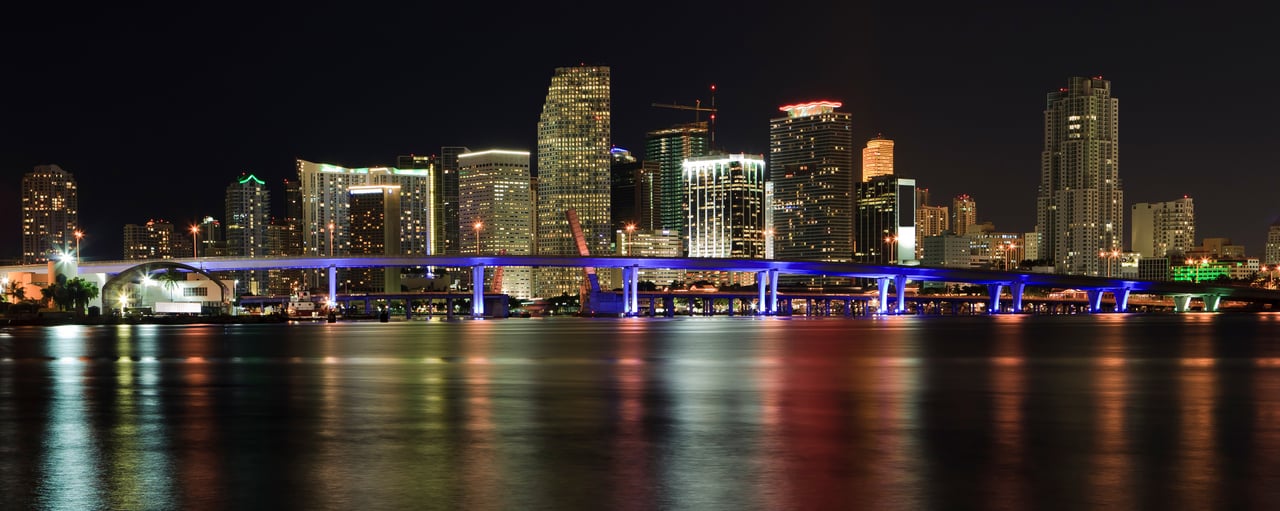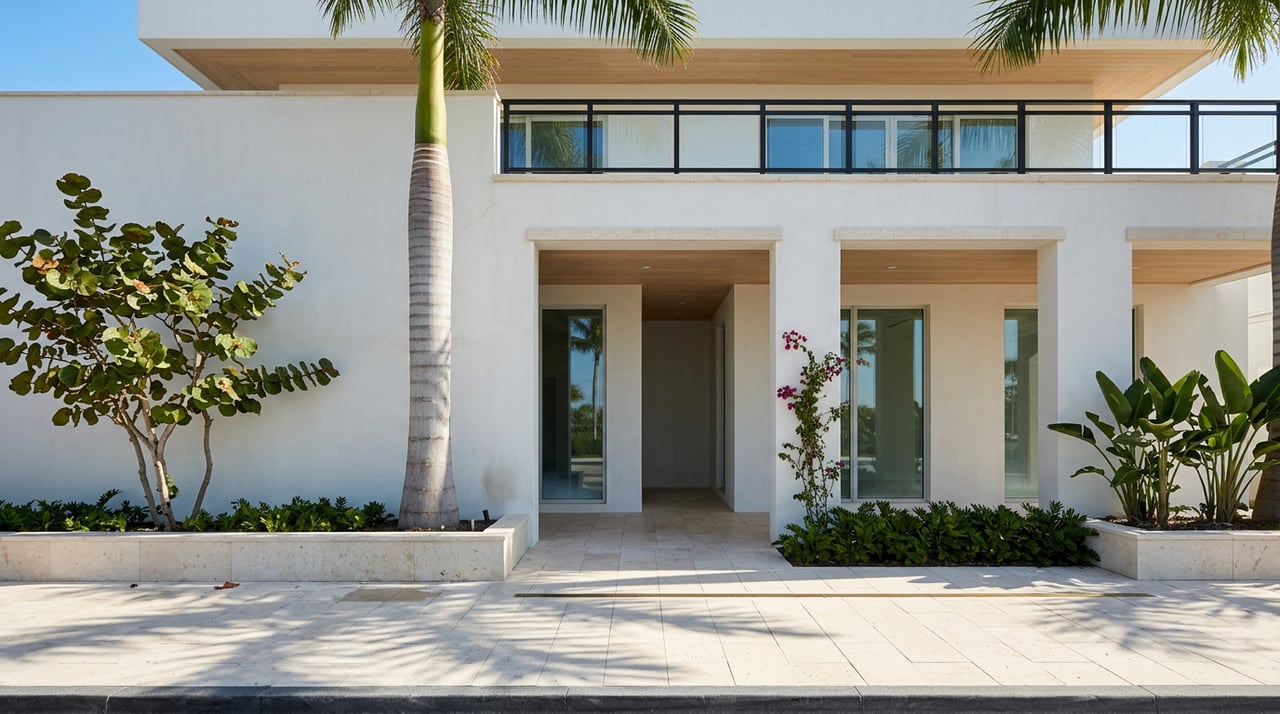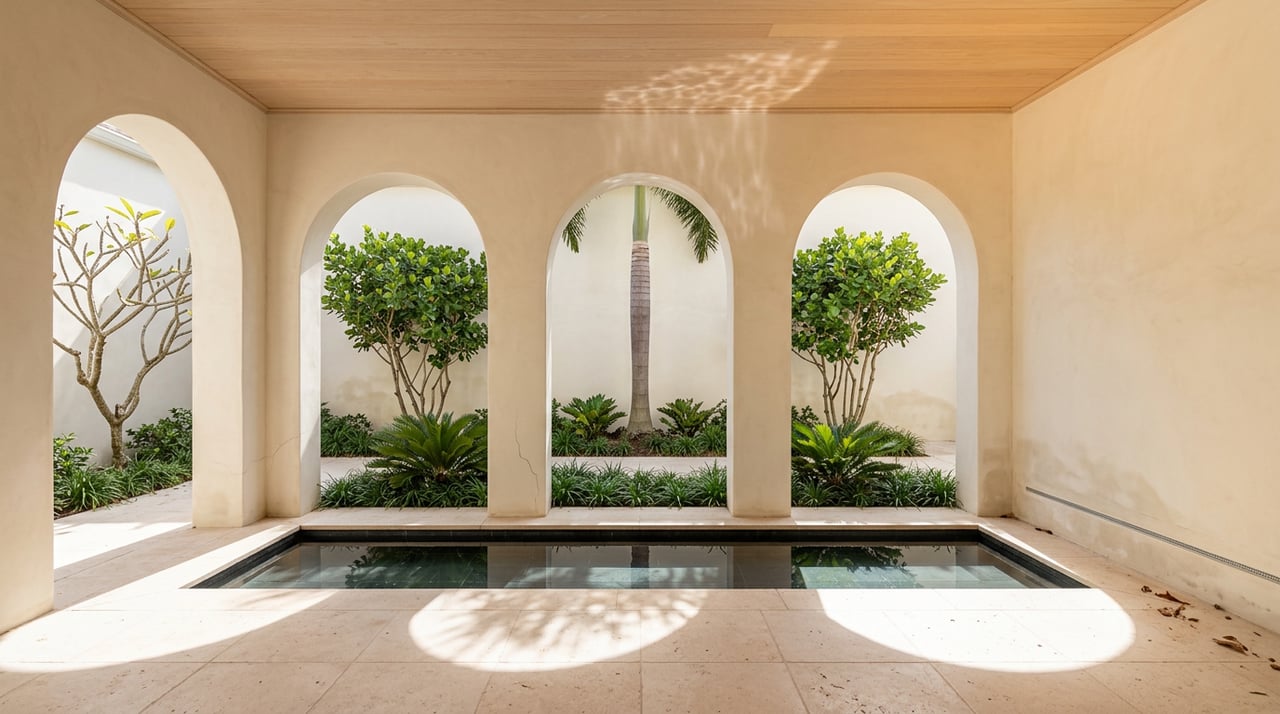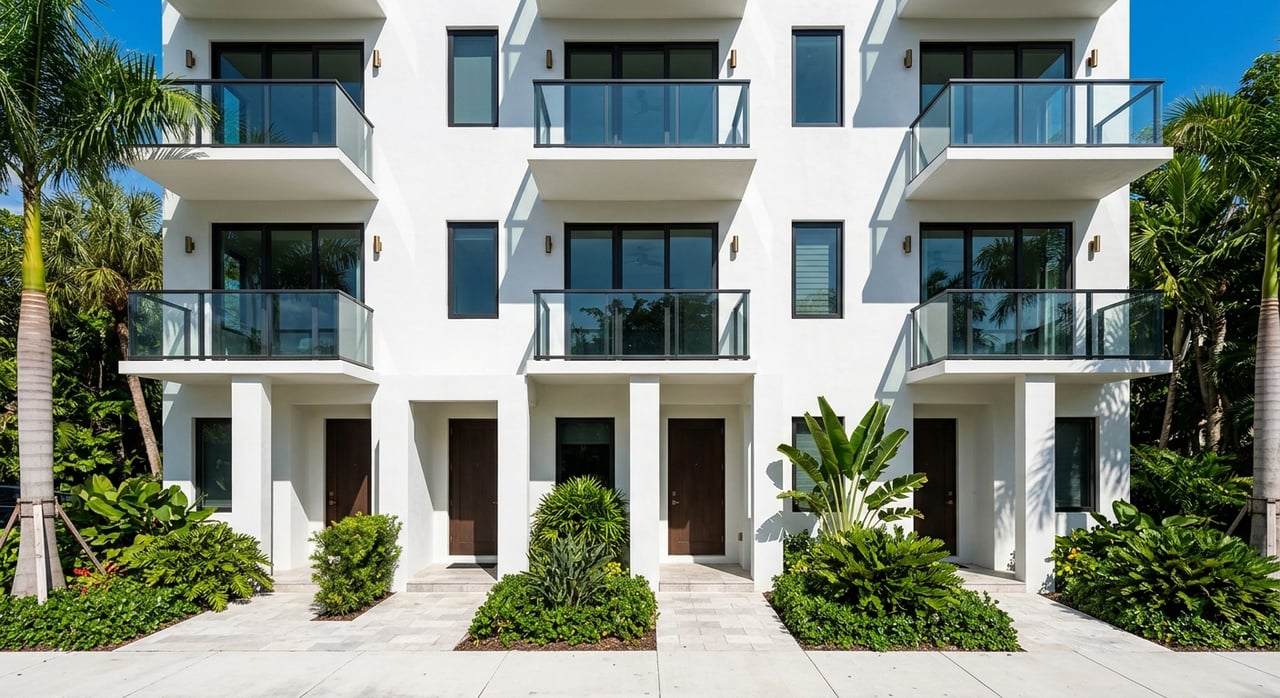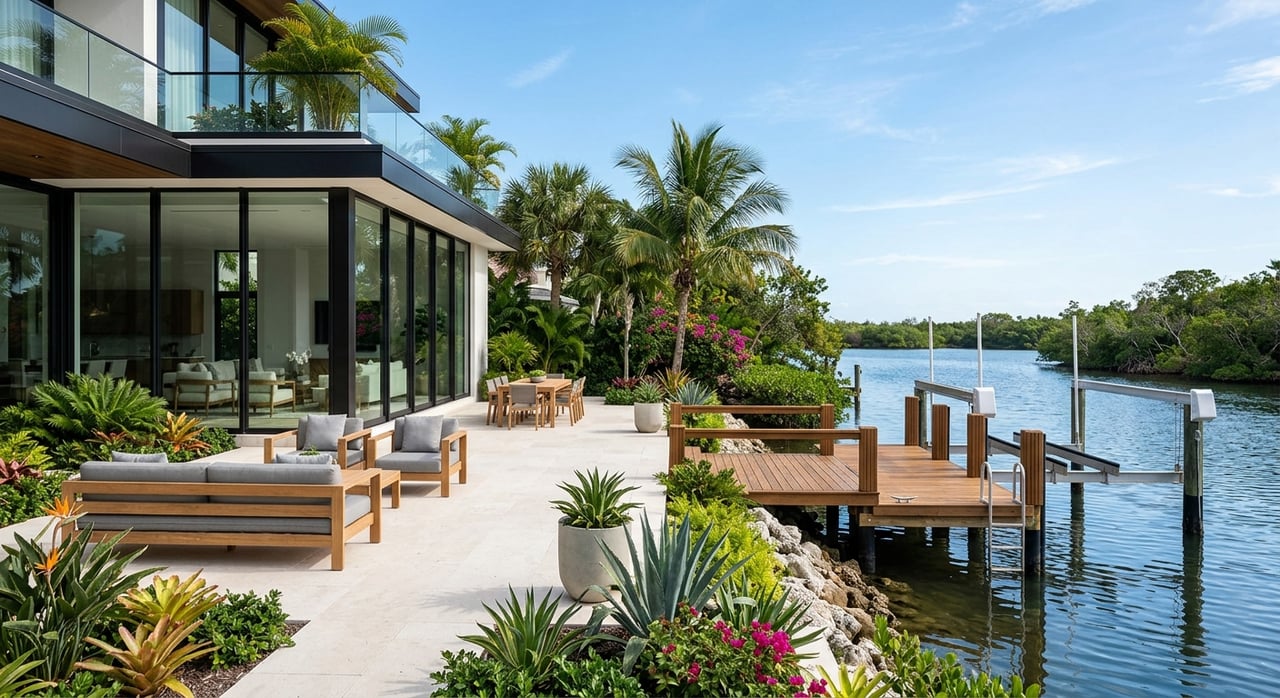
Waterfront homes on the Venetian Islands can look similar at first glance, but they do not behave like a single, simple market. If you are searching for a bayfront property here, you are likely balancing lifestyle goals with practical questions about docks, views, flood exposure, and long-term flexibility. This overview will help you understand how the islands differ, what to look for in the housing stock, and where careful due diligence matters most before you buy. Let’s dive in.
Why the Venetian Islands need a closer look
The Venetian Islands are a six-island chain in Biscayne Bay created in the 1920s through bulkheading, dredging, and filling. The original concept was an exclusive residential setting inspired by Venice, with Mediterranean Revival homes and Northern Italian influences shaping the early design vision.
Today, the area still carries that distinctive identity, but it is best understood as a set of related micro-markets rather than one uniform neighborhood. That matters because the islands differ by housing type, waterfront setup, jurisdiction, and even the feel of the view from one address to the next.
How the islands are divided
A key detail for buyers is that the Venetian Islands span two jurisdictions. Biscayne Island and San Marco Island are in the City of Miami, while San Marino, Di Lido, Rivo Alto, and Belle Isle are in Miami Beach.
That split can affect how you evaluate a property. Miami Beach has completed recent capital work on Di Lido, Rivo Alto, and San Marino, while the full island chain still depends on the Venetian Causeway as its main connector. For a buyer, this means location decisions should go beyond the listing address and include the island’s position within the chain.
What buyers will find on the market
The public inventory points to a broad mix of waterfront product. Current market snapshots show waterfront homes for sale alongside a substantial condo inventory, with some listings also featuring large parcels and boat-slip access.
In general, Belle Isle and Island Avenue tend to lean more toward condo living, while San Marino, Di Lido, and Rivo Alto are more closely associated with the classic single-family waterfront-home format. That does not mean every property fits neatly into one category, but it gives you a useful starting point when narrowing your search.
Single-family homes versus condos
If you want direct control over your dock, lot, and home design, a single-family waterfront property may offer the flexibility you need. Buyers often focus on frontage, privacy, rebuild potential, and how the home sits on the bay.
If you prefer a more lock-and-leave setup, condos on Belle Isle or along Island Avenue may deserve a closer look. Some residences include notable water views, and select listings even market private boat-slip access, which can be a major factor for boating-oriented buyers.
Architecture across the islands
Architectural style is mixed. While the neighborhood began with Mediterranean Revival and Northern Italian influences, today’s market also includes modern waterfront rebuilds and new construction.
That variety can be a plus if you are comparing character homes with more contemporary design. It also means your search should focus on your actual priorities, whether that is original charm, clean modern lines, updated systems, or a newer build with current finishes.
Why dockage matters so much
On the Venetian Islands, waterfront value is not just about touching the water. A dock needs to be useful for your intended boating lifestyle, sized appropriately for your vessel, and supported by the proper permitting history.
Miami-Dade states that one-time permits may be required before the construction or modification of property features such as a dock or pier. It also states that a Class I permit is required for work in, on, over, or upon tidal waters or coastal wetlands. In some qualifying single-family cases, Florida DEP allows self-certification for certain dock projects, including new docks, repairs or replacements, and boat-lift additions.
Questions to ask about a dock
Before you move forward on a waterfront property, it helps to confirm specifics instead of relying on marketing language alone. A dock that exists today may not automatically match your future plans.
Ask about:
- Current permit status
- Prior dock modifications or repairs
- Boat-size fit for your needs
- Water access and maneuverability
- Flexibility for future improvements
Because Biscayne Bay is ecologically sensitive and heavily used, this review is especially important on the Venetian Islands. A good waterfront purchase is not only about what is there now, but also about what you can legally and practically do with it later.
Views can change value quickly
Two waterfront homes on the same island can command very different pricing based on orientation and sightline. Current listings on the islands highlight Biscayne Bay views, downtown Miami skyline views, park views, and western exposure, all of which can influence buyer demand.
That is why it is smart to evaluate a property from the exact angle that matters most to you. If your goal is sunset exposure, skyline drama, or a broad-open bay view, you should verify that specific vantage point rather than assume every waterfront address delivers the same experience.
What pricing and timing suggest right now
The Venetian Islands sit firmly in the luxury segment, but the market data suggests buyers often have time to compare options. Redfin’s March 2026 snapshot shows a median sale price of $2.0 million, 23 homes sold, and a median of 124 days on market.
A separate neighborhood snapshot from Realtor.com shows 91 homes for sale, a median list price of $2.10 million, roughly 110 days on market, and homes selling at about 91% of asking price in the latest analysis. While the exact numbers vary by source and methodology, both point to a market where product is differentiated and pricing strategy matters.
What that means for buyers
In a market like this, patience can be useful. You may have room to compare islands, frontage, and view lines without the same pace you might find in a more uniform or purely transactional neighborhood.
At the same time, thin supply can make the right property hard to replace. If a home matches your waterfront criteria closely, especially on a preferred island with the right dock and exposure, it may justify faster action once your due diligence is complete.
Flood and insurance review should start early
Flood exposure is not a box to check at the end of the process. Miami Beach states that the city sits at low elevation and can flood from heavy rainfall, high tides, storm surge, and sea-level rise. Its 2025 adaptation strategy identified more than 67,000 assets as vulnerable to flooding.
For buyers considering the Miami Beach portion of the Venetian Islands, this makes early review essential. Miami Beach’s flood guide states that FEMA A or V zones are mandatory insurance zones, and Miami-Dade advises buyers to confirm the official flood zone, obtain an elevation certificate, understand the 50 percent rule if a structure is damaged or substantially improved, and remember that flood insurance is required for any federally backed mortgage in a Special Flood Hazard Area.
A practical due diligence order
Because waterfront homes here are highly differentiated, it helps to review each property in a clear sequence. The most useful order of analysis is:
- Island
- Frontage
- Dock
- View
- Flood zone
- Price
This order keeps you focused on the characteristics that are hardest to change. Price matters, of course, but for a Venetian Islands waterfront purchase, the wrong island position, limited dock utility, or a compromised view can be far more difficult to solve later.
How to approach your search strategically
A successful search on the Venetian Islands usually starts with clarity about your real use case. If boating is central, dock fit and permit history should rise to the top. If this will be a primary residence, your day-to-day movement along the causeway and your preference for condo versus single-family living may matter more.
It also helps to treat each listing as a one-off asset rather than a simple comp-driven purchase. On these islands, frontage, orientation, jurisdiction, and product type can create major differences between homes that may appear similar on paper.
If you are planning to buy in this market, a tailored review can save time and reduce surprises. The team at The Darin Feldman Group at Insignia International Properties offers concierge-level buyer representation, valuations, and relocation support for luxury South Florida purchases, including highly specific waterfront searches.
FAQs
What makes Venetian Islands waterfront homes different from other Miami waterfront options?
- Venetian Islands waterfront homes vary significantly by island, view orientation, dock utility, and jurisdiction, so buyers should evaluate them as distinct micro-markets rather than one uniform area.
Which Venetian Islands are in Miami Beach versus the City of Miami?
- San Marino, Di Lido, Rivo Alto, and Belle Isle are in Miami Beach, while Biscayne Island and San Marco Island are in the City of Miami.
Are condos common on the Venetian Islands waterfront market?
- Yes. Public inventory shows a mix of single-family homes and condos, with Belle Isle and Island Avenue generally showing more condo-oriented product.
Why is dock permitting important for Venetian Islands buyers?
- Dock permitting matters because construction or modifications may require Miami-Dade approval, and buyers should confirm legality, functionality, and future flexibility before purchasing.
How long do Venetian Islands homes usually stay on the market?
- Recent market snapshots show roughly 110 to 124 days on market, suggesting buyers often have time to compare options, though standout waterfront properties can still be difficult to replace.
What flood due diligence should buyers do for Venetian Islands homes?
- Buyers should confirm the official flood zone, review whether insurance may be required, obtain an elevation certificate when relevant, and understand rebuild or improvement constraints tied to flood rules.