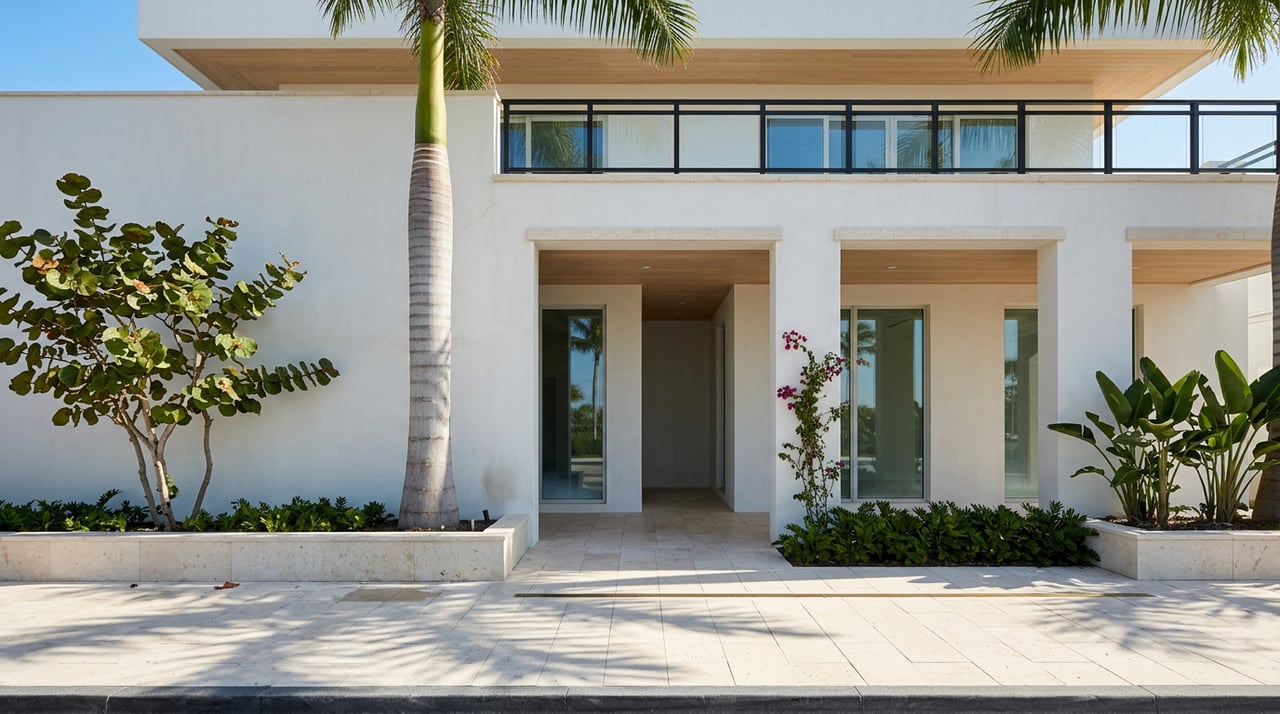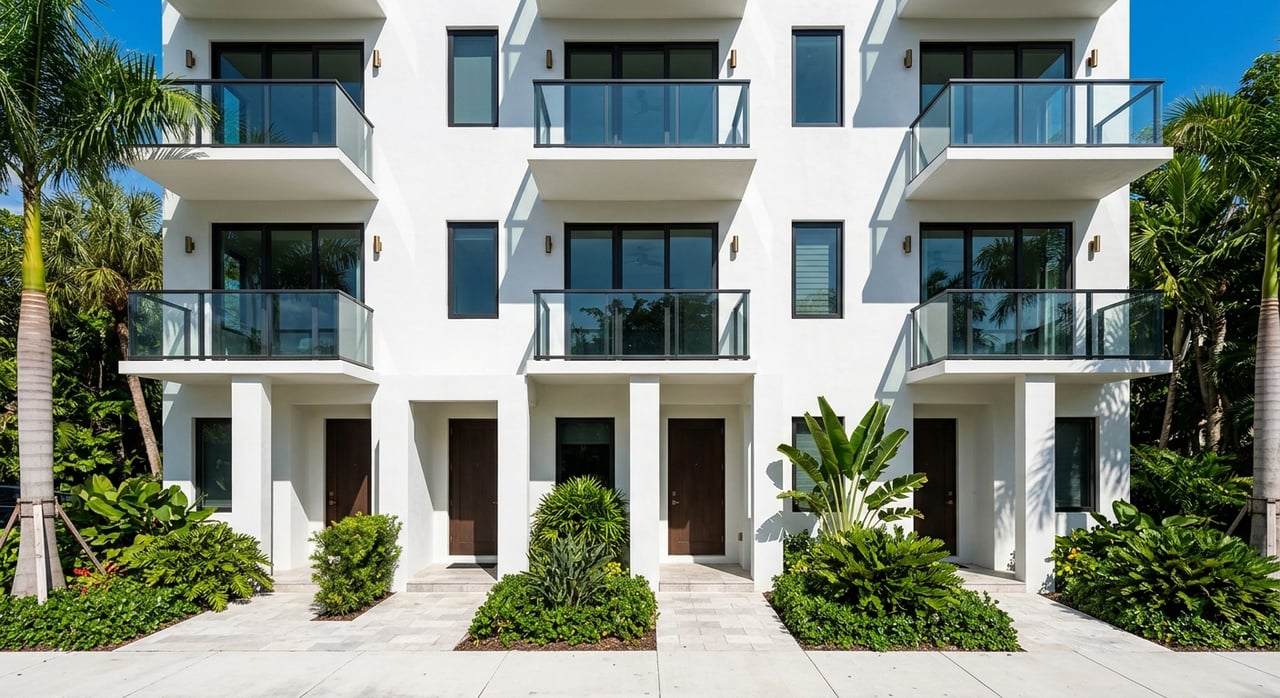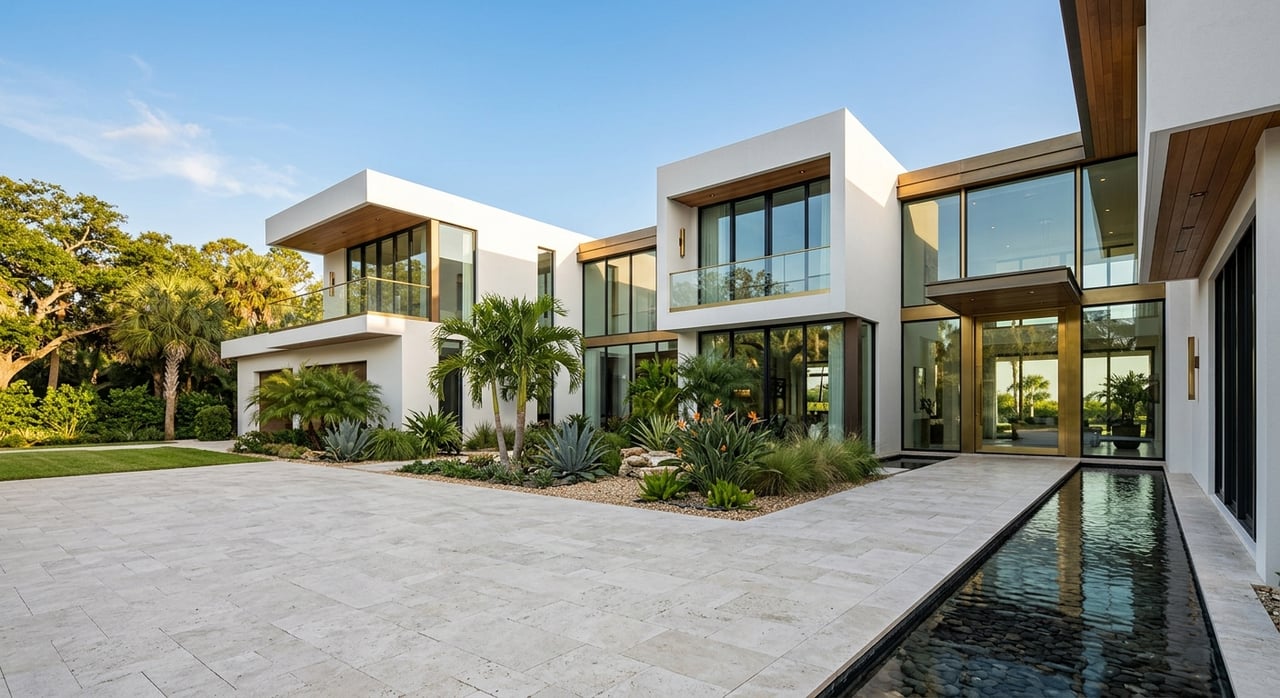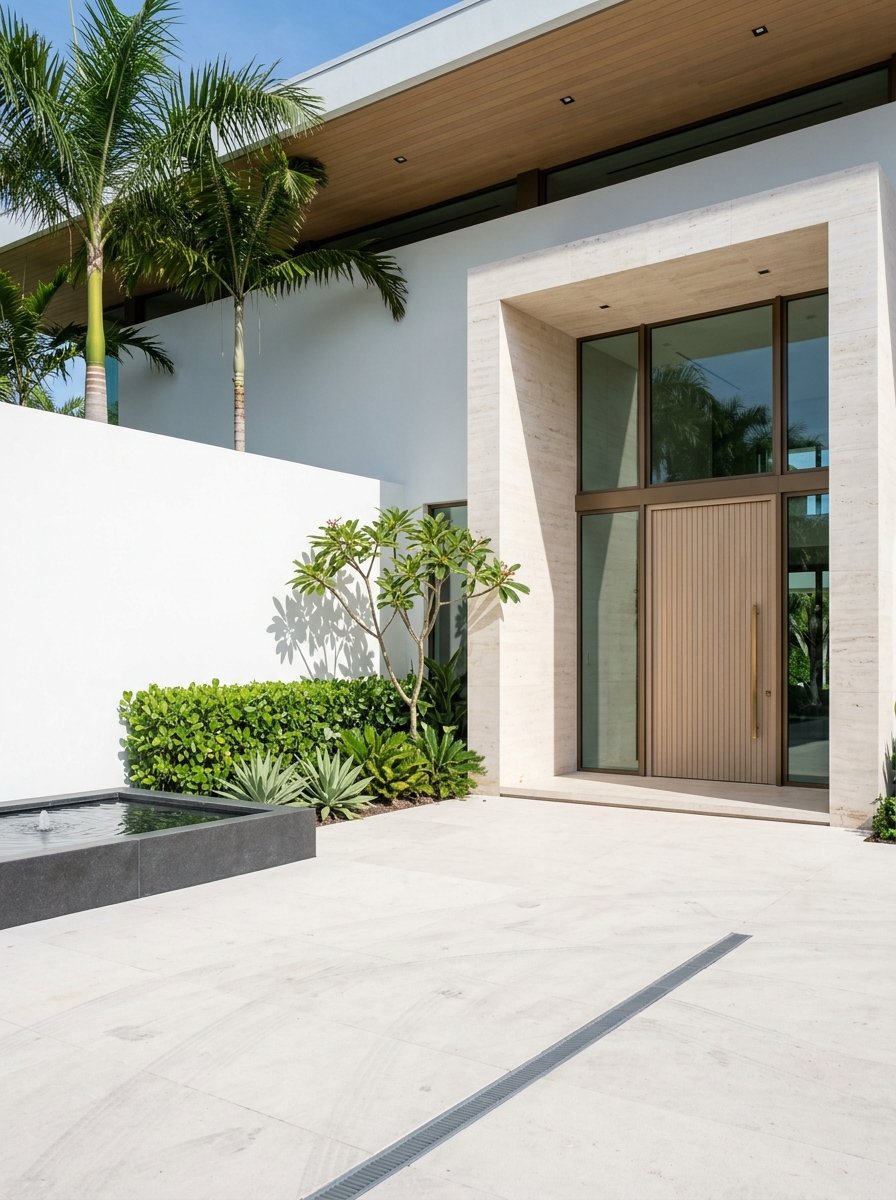
If you are considering Golden Beach, you are not shopping a typical luxury market. You are entering one of the smallest and most tightly regulated residential enclaves in Miami-Dade, where inventory is limited, lot configuration matters, and due diligence can shape your options as much as price. This guide will help you understand how Golden Beach works, what ultra-luxury buyers should verify, and how to approach your search with more clarity and confidence. Let’s dive in.
Why Golden Beach Stands Apart
Golden Beach is a barrier-island town in northeast Miami-Dade County located between the Atlantic Ocean and the Intracoastal Waterway. According to the Town of Golden Beach, it spans about 1.8 square miles and contains just 364 single-family homes.
That scale matters. Golden Beach is not a condo market or a mixed housing market. The town describes itself as a purely single-family community with a private beach, and official town materials note a mix of beachfront, Intracoastal, canal, and dry-lot homes.
For you as a buyer, that means scarcity is built into the market. It also means the buying process is often more bespoke, more private, and more dependent on timing than in larger luxury neighborhoods nearby.
What You Are Really Choosing Between
In Golden Beach, the decision is usually less about broad neighborhood categories and more about property type, frontage, and future use. Based on the town’s own descriptions and zoning framework, most buyers are evaluating a choice between oceanfront exposure, Intracoastal or canal frontage, and interior dry-lot privacy.
Each option comes with a different lifestyle and a different diligence checklist. Your priorities may include direct beach access, boating orientation, land value, privacy, or redevelopment potential.
Oceanfront Estates
Golden Beach’s Zone One is the oceanfront district, and the code states that it is intended for luxury oceanfront living. Town regulations also explicitly encourage the aggregation of older narrow lots into larger oceanfront estates, which is important if you are looking at a property with long-term assembly or redevelopment potential.
Oceanfront homes are also among the most constrained from a building perspective. Under the town’s 2022 height ordinance, the tallest allowed main residences are 27.5 feet on lots with 50 to under 100 feet of frontage and 30 feet on lots with 100 feet or more of frontage.
Intracoastal and Canal Homes
Zone Three is intended for canal and Intracoastal living. These homes may appeal to buyers who prioritize waterfront orientation and vessel access over direct ocean frontage, but they are still governed by detailed development rules.
The same height limits apply here, and the ordinance also requires at least 35 percent pervious area. The town also fixed seawall height at 4.425 NAVD to address tidal action, sea level rise, and storm surge, making seawall review an important part of waterfront due diligence.
Dry-Lot Homes
Dry-lot homes offer a different value proposition within the same town setting. If your priority is privacy, a single-family estate setting, and access to Golden Beach’s small-scale residential environment, these properties can still provide entry into a highly limited market without the same waterfront-specific considerations.
That said, zoning and permitting still matter. In Golden Beach, even non-waterfront acquisitions should be evaluated through the lens of lot dimensions, future expansion potential, and the town’s construction rules.
Zoning Can Change Your Buying Strategy
In Golden Beach, zoning is not a background detail. It directly affects what you can build, how large an estate can become, and whether a property fits your long-term vision.
The town’s land development regulations are structured around individually owned single-family estates. For example, a post-2006 subdivision in Zone One cannot create a lot smaller than 100 feet of frontage, 150 feet of depth, and 15,000 square feet, according to the town’s land development regulations.
If a new home is built across two or more lots, the town requires a recorded Unity of Title at the owner’s expense. For an ultra-luxury buyer, this becomes highly relevant when evaluating side-by-side acquisitions, assembled parcels, or legacy homes on narrower lots that may have redevelopment upside.
Inventory Is Limited by Design
A market with only 364 homes will not behave like a broader metro luxury market. Golden Beach is structurally supply-constrained, and that often translates into fewer available choices at any given time.
The research reflects this clearly, even if different trackers show different snapshots. Realtor.com reported a median home sale price of $14.75 million with 35 homes listed in late 2025 and a median 145 days on market, while Zillow showed only 8 homes for sale on March 31, 2026. In a micro-market this small, individual listings can materially change your options.
The practical takeaway is simple: if you are waiting for a large batch of comparable inventory, you may wait a long time. In Golden Beach, a focused and relationship-driven search is often more effective than relying only on public listing portals.
Due Diligence Matters More Here
Ultra-luxury buyers often expect a thorough process, but Golden Beach adds another layer. If you are considering a teardown, major renovation, lot assembly, or even a newly built residence, town procedures and property-specific compliance should be reviewed early.
According to the town’s Certificate of Occupancy requirements, all new buildings and additions require a Certificate of Occupancy before they can be occupied. Renovations or alterations in previously occupied homes require a Certificate of Completion.
The town also requires final inspections to be approved, including landscaping and irrigation, along with a completed FEMA flood elevation certificate, sealed as-built plans, and survey documentation. For new construction, soil investigations and engineering certification must be submitted with the plans.
Permit Timing Can Affect Your Plans
Golden Beach’s general permitting procedures make timing an important consideration. Incomplete checklists can delay review, permits are accepted only during set office hours, work must begin within 180 days after issuance or the permit becomes void, and inspections cannot be spaced more than 180 days apart once work starts.
If your purchase plan includes immediate improvements, it is smart to understand that schedule before closing. This is especially important for buyers balancing seasonal occupancy, relocation timing, or an extended design-and-build process.
Waterfront Buyers Should Prioritize Flood Review
For waterfront properties in Golden Beach, flood diligence should be a primary step, not a secondary one. The town states that some portions fall within FEMA Special Flood Hazard Areas and keeps FEMA Flood Insurance Rate Maps at the Building Department.
The town’s National Flood Insurance Program page also notes that all new building construction and additions must comply with FEMA requirements. If you are comparing two waterfront opportunities, differences in flood-related constraints, elevation, and seawall condition may meaningfully affect both cost and design flexibility.
For oceanfront homes in particular, the town’s floodplain guidance includes storm elevation requirements, flood-resistant provisions, FEMA-compliant materials requirements, and a non-conversion agreement for certain properties. Those are details worth reviewing before you finalize your acquisition strategy.
Airport Access Supports Second-Home Use
Golden Beach offers privacy without complete isolation. The town notes that it is a short drive from both Miami and Fort Lauderdale and is about 18 miles from Miami International Airport and 15 miles from Fort Lauderdale International Airport and Port Everglades, according to the town overview.
For second-home owners, cross-border buyers, and clients who travel frequently, that location can be part of the appeal. You get a small, single-family coastal setting while remaining connected to two major airports and the broader South Florida market.
How To Approach a Golden Beach Purchase
Because Golden Beach is small, private, and regulation-heavy, your search process should be disciplined from the start. The right opportunity is not just about finding a beautiful home. It is about matching your goals to the town’s rules, property constraints, and available inventory.
A smart buying approach usually includes:
- Defining whether you want oceanfront, Intracoastal or canal frontage, or a dry-lot estate
- Reviewing lot dimensions, frontage, and redevelopment potential early
- Confirming flood-zone considerations for waterfront properties
- Evaluating seawall condition where relevant
- Understanding whether a renovation, addition, or new build would trigger added approvals or documentation
- Moving quickly when a suitable property becomes available in such a limited market
Golden Beach can be an exceptional fit for buyers who value a small-scale, single-family coastal environment and understand that exclusivity often comes with more detailed planning. With the right representation, you can navigate that complexity with a strategy that protects both your lifestyle goals and your investment.
If you are considering a purchase in Golden Beach, The Darin Feldman Group at Insignia International Properties offers concierge-level buyer representation, valuations, and relocation support tailored to South Florida’s luxury market.
FAQs
What makes Golden Beach different from other luxury areas in Miami-Dade?
- Golden Beach is a very small barrier-island town with about 1.8 square miles and only 364 single-family homes, according to the Town of Golden Beach, which makes inventory unusually limited.
What property types can you buy in Golden Beach?
- Official town materials describe Golden Beach as a purely single-family community with beachfront, Intracoastal, canal, and dry-lot homes.
What should waterfront buyers verify in Golden Beach?
- You should confirm flood-zone status, FEMA-related requirements, and seawall condition early because the town states some areas fall within Special Flood Hazard Areas and waterfront construction is tightly regulated.
What zoning issue matters most for ultra-luxury buyers in Golden Beach?
- Lot frontage, lot area, height limits, and whether a Unity of Title is required can all affect redevelopment or lot assembly plans.
What permits and approvals matter when buying a home to renovate in Golden Beach?
- Buyers should review Certificate of Completion or Certificate of Occupancy requirements, inspection sequencing, and the town’s permitting timelines before planning a renovation or rebuild.
What is the best way to search for a home in Golden Beach?
- Because Golden Beach is a tiny, private market with very limited inventory, a relationship-driven search is often more effective than relying only on public portals.